
TL;DR
Personal finance books can make thoughtful holiday gifts when you match the topic, difficulty, and format to what the recipient actually wants to learn. Choose a book suited to their country and life stage, check how current its time-sensitive guidance is, and add a note that frames it as an invitation rather than a critique.
A money book under the tree can feel like a warm invitation—or like a pointed hint about someone’s spending. The difference often comes down to whether the book fits what they already want to learn.

Get smart everyday buys delivered free with Prime
- Fast, free delivery on millions of items
- Prime Video, Amazon Music and more included
- Member-only deals all year
Personal finance books as holiday gifts cover a wide range: budgeting, debt, investing, money habits, and long-term planning. That variety gives you room to choose something genuinely useful, whether your recipient is a recent graduate sorting out student loans or a curious friend who wants to understand investing.
This guide will help you match a book to the reader, choose a format they’ll use, and give it with care. You’ll also find ways to check whether the advice suits their country and circumstances. Think of the book as a map for a conversation: helpful, but never a substitute for the reader deciding where to go.
Choose a subject the recipient has expressed interest in, rather than making assumptions about their finances.
Match the book’s topic and level to the reader’s goals, experience, and current life stage.
Check publication date and country-specific guidance before gifting advice about taxes, retirement, credit, or financial products.
Choose print, ebook, or audiobook based on how the recipient likes to read.
Add a note that explains your choice and leaves the recipient free to read, use, or set aside the book.
Make the gift feel like an invitation, not a critique
A personal finance book works best as a holiday gift when it answers a question the recipient already has or reflects an interest they’ve shared. The same title can feel encouraging to someone who wants to build a savings habit and judgmental to someone who never asked for help with money. Start with their expressed curiosity, not an assumption about what they should change.
For example, if your sister has mentioned wanting to understand investing, a beginner-friendly book about risk and diversification could feel like a thoughtful nod to that conversation. A book titled around getting out of debt may land differently if she has not brought up debt at all. The subject matters, but the message attached to it matters just as much.
A handwritten note can make the intent clear. Try something simple: “You mentioned wanting to learn more about investing, and this looked like an interesting place to start.” That sentence gives the recipient room to enjoy the book, set it aside, or disagree with it. A book can be a conversation starter, not a diagnosis.
Let the recipient’s curiosity choose the subject. A gift about money feels more personal when it follows something they told you, rather than something you inferred.
If you’re unsure whether a focused book might feel too pointed, choose a broad introduction or a book about money habits and decision-making. Even a beautifully wrapped hardback can carry an awkward message if it seems to comment on the recipient’s private finances. Aim for warmth first, usefulness second.
Products Worth Considering

Canon Selphy CP1500 Wireless Compact Photo Printer (Black)

Canon SELPHY QX20 Wireless Compact Photo Printer Bundle (Dark Gray)
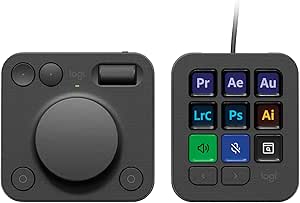
Logitech MX Creative Console with 9 Customizable Keys, Graphite
As an affiliate, we earn on qualifying purchases.
Match the subject to the moment they’re in
Choose a personal finance book by matching its subject to the reader’s current goals and experience. Budgeting and saving books can help someone build routines, while books about credit, debt, investing, or retirement serve different questions. A relevant topic makes the gift easier to open and more likely to get read.
Picture a recent graduate starting a first job: a clear introduction to budgeting and credit may fit better than a detailed book about retirement withdrawals. A new parent who has asked about family finances might appreciate a book that helps them plan around changing expenses. For a friend who enjoys learning how people make decisions, a book about money habits may spark more interest than a workbook full of monthly spending categories.
Use the recipient’s words as your guide. “I need to get organized” might point toward a practical workbook; “I want to understand the stock market” suggests a beginner’s investing guide; “I’m trying to pay off my loans” signals an interest in debt strategies. If you have not heard a clear preference, a broad book can leave more room for discovery.
- Budgeting and saving: look for useful routines, realistic goal-setting, or guidance for irregular income.
- Debt and credit: favor clear explanations of interest, repayment choices, and borrowing costs.
- Investing: check that the book explains risk, diversification, fees, and long-term thinking.
- Life-stage planning: seek material that speaks to student loans, caregiving, housing, or retirement.
One gift cannot answer every money question, and it doesn’t need to. Like choosing shoes, the right fit depends on where the person is headed. A focused title can be excellent when it meets a goal the reader has named.
Check the edition, country, and age of the advice
Before you buy, check the book’s publication date, intended audience, and country-specific assumptions. The foundational ideas in personal finance can remain useful, but tax rules, retirement systems, lending practices, and financial products vary and can change. A guide written for another country may use terms or accounts that don’t apply to your recipient.
Imagine buying a U.S.-focused retirement guide for a friend in Germany. Its descriptions of retirement accounts and tax treatment may not map neatly onto German rules. The chapters on setting goals or understanding investment fees might still prompt useful questions, but the reader would need current local information for decisions tied to regulations or products.
Recent editions may discuss digital banking, online investing, inflation, or side income, but a newer date alone doesn’t prove that every recommendation is right for every reader. Look at the book’s scope and the author’s assumptions. A solid educational book explains concepts and tradeoffs; it shouldn’t promise that one formula suits everyone.
For a gift, you can keep the caveat friendly and practical. If the recipient wants to act on a time-sensitive point, they can check current information from reliable local sources or seek a qualified professional who understands their situation. A book helps build vocabulary and prepare better questions; it cannot see the full picture of someone’s finances.
Treat a finance book as education, not personalized financial, tax, or legal advice. Its recommendations may not fit the reader’s circumstances, and time-sensitive details need checking.
This distinction doesn’t make the gift less useful. A guide that helps someone understand fees or compare repayment approaches can still be a valuable starting point, much like a road atlas that teaches you how the routes connect even when you check a live map before leaving.
Pick a format the recipient will actually enjoy
The best format is the one that fits the reader’s routines. Print books are easy to lend, mark up, and leave beside a favorite chair; ebooks travel lightly; audiobooks can fit into a commute or a walk. Ask yourself when the recipient usually reads before choosing the package.
Your brother might love listening to nonfiction during a 30-minute train ride, so an audiobook could have a better chance of being used than a heavy hardcover. A friend who likes to underline passages may prefer print. Someone who reads on a phone before bed might value an ebook they can carry anywhere. Format is a small choice that can remove friction.
Pay attention to the kind of book, too. A workbook with prompts or tracking pages works better on paper for many readers, while a narrative book about financial behavior may suit audio. If you’re not sure which platform they use, check discreetly or choose a physical edition that doesn’t depend on a particular account or device.
Pairings can make the present feel complete without turning it into a project. A simple notebook might suit someone who enjoys writing reflections; a bookmark or a favorite tea can make a quiet afternoon feel inviting. Avoid adding personal financial paperwork, a budget spreadsheet with their name on it, or anything that suggests you expect them to follow a plan.
A practical guide can be a thoughtful holiday gift when the format respects the reader’s habits. A book left unopened on a shelf offers less than a paperback read over two winter evenings. Let convenience and pleasure help make the choice.
Use this five-step check before you wrap it
A quick five-step check can help you choose a personal finance book that feels relevant and easy to receive. Start with the recipient’s stated interest, then check the book’s level, subject, local relevance, and format. You don’t need to find a perfect title; you need one that gives the reader a sensible place to begin.
- Recall what they’ve said. Did they mention saving for a trip, learning about investing, or organizing irregular income?
- Choose one main topic. A book with a clear focus is often more approachable than one that tries to cover every financial decision.
- Check the reading level and style. Look for clear language, examples, and a level of detail that suits a beginner or a more experienced reader.
- Check the edition and country. Find out when it was published and whether its examples match the reader’s financial system.
- Choose their preferred format and add a note. Explain what made you think they might enjoy it, without setting expectations.
Suppose your cousin has just started freelancing and says that uneven monthly income makes saving hard. You might look for a beginner-friendly guide with practical sections on cash flow and savings goals, then check that its examples make sense in your cousin’s country. A short note about their comment turns the book into a response to a real conversation.
If any step feels uncertain, step back to a broad, approachable title or choose a different gift. The point is to offer something useful, not to make the recipient feel assigned homework over the holidays. A little thought before wrapping can keep the gesture generous.
Make the book the start of a good conversation
A personal finance book can open a conversation about goals, habits, or family experiences, but the reader should control how much they share. Money can carry stress and privacy concerns, so make discussion optional. The book gives you a common idea to talk about; it doesn’t give you permission to inspect someone’s budget.
For example, you and a friend might both read a chapter about the emotional side of spending, then talk about how advertising or family routines shape choices. That conversation can stay general and light. If your friend wants to discuss a personal situation, listen before offering your own solution.
You can also give the book without asking for a report afterward. There’s no need to quiz the recipient over dinner or ask whether they’ve started the plan. A relaxed “I thought you might enjoy this” is often enough. The absence of pressure can make the gift easier to accept.
Some books offer frameworks that help readers compare choices, while others tell stories about the way people relate to money. Neither style suits everyone. A person who likes concrete action may appreciate worksheets; another may prefer examples they can reflect on privately. This is where your earlier read of their interests pays off.
If the recipient raises a complex decision involving taxes, legal matters, or a major investment, a general book may help them name their questions, but it cannot account for all their details. Encourage them to consult current, qualified help when their situation calls for it. That leaves room for the book to be encouraging and useful without asking it to do more than it can.
Frequently Asked Questions
Is a personal finance book a good holiday gift?
It can be, especially when the recipient has expressed interest in the subject. Choose a topic that reflects their curiosity and include a note explaining why you picked it. That keeps the gesture warm and low-pressure.
How do I choose a book for someone who is new to personal finance?
Look for clear language, practical examples, and an accessible introduction to the topic they care about. There is no single best beginner book for everyone, so check that its assumptions and examples suit the reader’s country and needs.
Should I give a budgeting, debt, or investing book?
Choose the area the person has said they want to learn about. If you don’t know, a broad personal finance introduction may feel less pointed than a book focused on debt or spending.
Can a personal finance book replace professional advice?
No. A book can explain concepts and help someone prepare questions, but it cannot provide personalized financial, tax, or legal advice. Rules and products also change, so readers should check current local information for time-sensitive decisions.
Is an audiobook or ebook a thoughtful gift?
Yes, if you know the recipient uses that format and can access it. Audiobooks may suit commutes, ebooks travel easily, and print books are often easier to annotate or revisit as references.
What can I pair with a money book?
A notebook, bookmark, or gift card can complement the book without adding pressure. Skip personal financial paperwork or anything that implies the recipient needs to fix a problem.
Conclusion
Choose the book around the reader’s curiosity. Check that its topic, level, country, and format make sense for them, then add a note that makes the gift feel like an open door rather than an assignment.
Money books can plant a useful idea, but the reader decides whether it takes root. Give one with care, and let the conversation unfold at their pace—like a small lamp glowing beside a winter reading chair.