TL;DR

Get smart everyday buys delivered free with Prime
- Fast, free delivery on millions of items
- Prime Video, Amazon Music and more included
- Member-only deals all year
A Kiplinger report describes seven signs that may point to home maintenance or repair problems, including doors that shift, persistent flickering lights and cold spots. The signs can have simple causes, but ongoing or worsening symptoms may warrant a qualified inspection; the report’s cost figures are estimates, not quotes for a specific home.
Kiplinger has published a consumer report describing seven warning signs that could point to home repairs, including doors that shift or stick, unexplained flickering lights and cold spots. The report says these symptoms can have ordinary explanations, but persistent or worsening signs may justify professional assessment because some underlying issues, such as electrical faults or foundation movement, can be costly or hazardous.
The report groups the signs as doors opening or closing on their own, flickering lights, cold spots in warm rooms, unusual sounds, unexplained smells, creaking floors and cracks or other visible changes. The supplied source gives detailed discussion of the first three; it does not provide the full descriptions or diagnostic guidance for the remaining four, so those symptoms should not be treated as proof of a particular defect.
For doors, Kiplinger lists loose hinges, uneven floors, air pressure and changes in temperature or humidity as possible explanations. It says a combination of suddenly sticking doors, doors that will not latch, crooked frames, widening cracks or uneven floors can be a reason to investigate possible structural movement. It cites HomeGuide estimates of $300 to $1,000 for a foundation inspection, while noting that significant foundation work can cost thousands; actual costs depend on the property and required work.
Flickering lights may result from a loose bulb, an aging fixture or a large appliance drawing power, according to the report. Persistent flickering alongside warm switches, buzzing outlets, burning smells or repeatedly tripped breakers could signal an electrical problem. Kiplinger cites Angi estimates of $75 to $500 for an electrical inspection, with an average of about $150. The article’s author also recounts paying $800 to locate and repair frayed wiring in a rental property; that is a personal example, not a general price estimate.
When Small Symptoms Signal Bigger Costs
The practical point is that a symptom is a prompt to check, not a diagnosis. A door that moves may need a hinge adjustment, while several doors that change at once could merit a closer look at the structure. Similarly, a flicker may be isolated, but electrical warning signs occurring together raise a different level of concern. Early assessment can help homeowners distinguish routine maintenance from an issue that needs repair.
Some suspected problems also involve safety, not just expense. The report links persistent electrical symptoms with potential hazards and advises contacting a licensed electrician when warning signs appear. For structural concerns, an independent structural engineer can assess whether foundation repairs are actually needed before a homeowner commits to a major project. The article’s cited inspection prices are estimates and should not be read as a guarantee of what an individual inspection will cost.
Cold rooms can affect comfort and energy use, but they do not automatically mean major work is necessary. Kiplinger points to drafts, inadequate insulation, blocked vents and leaking ducts as possible causes. Checking accessible areas and arranging an energy audit may help identify the source before deciding on repairs or upgrades.
Products Worth Considering

Samsung 27-Inch Odyssey QD-OLED G8 4K 240Hz Gaming Monitor

HP Sprocket Photo Booth Machine Instant Color Photo Printer with 10.1 Touchscreen, LED Ring Light, 250+ Frames, 3×4 ZINK Paper, QR Code Shar

Dell UltraSharp 27 Thunderbolt Hub Monitor (U2726DER)
As an affiliate, we earn on qualifying purchases.
The Three Signs Detailed in the Report
Kiplinger frames its list around the difference between unsettling household experiences and ordinary building problems. Its author recalls hearing scratching inside a childhood bedroom wall and later learning that squirrels were living there. The anecdote illustrates the article’s central caution: an unexplained sound may have a mundane cause, but unusual or recurring signs can still deserve attention.
For cold spots, the report identifies drafts, poor insulation, sealed-window or door gaps, blocked vents and leaking ductwork as possible explanations. It suggests checking for drafts, keeping vents clear and looking for gaps in accessible ducts. A professional energy audit may use thermal imaging or blower-door testing to identify air leaks and insulation gaps. The report does not say that every cold spot requires an audit or repair.
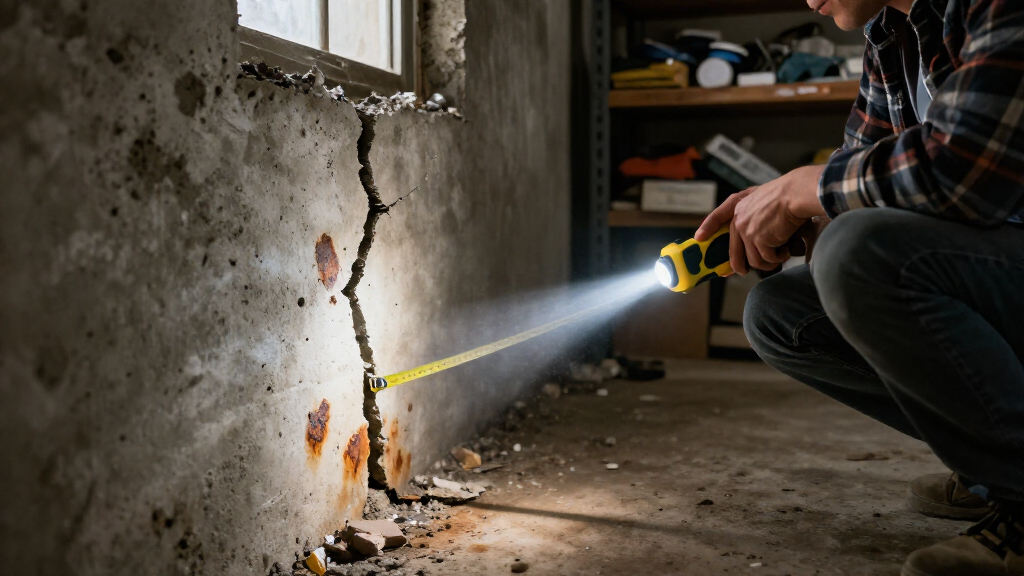
The report also notes that some settling is normal as homes age and that small drywall or door-frame cracks do not by themselves establish a serious structural problem. Its guidance emphasizes changes over time and clusters of symptoms—such as multiple newly sticking doors or cracks that continue to widen—rather than treating any single sign as conclusive.
“Some settling is a normal part of homeownership, especially as a house ages.”
— Kiplinger report
Symptoms Do Not Confirm a Defect
None of the listed signs alone confirms foundation damage, faulty wiring, insulation failure or another specific repair need. Doors can shift for several reasons, and lighting can flicker because of a bulb or appliance as well as a wiring problem. The source urges attention to persistent, worsening or combined symptoms, but a qualified professional would need to assess the home to identify the cause.
The source material supplied here gives detailed explanations only for doors, flickering lights and cold spots, although it names four other signs: unusual noises, unexplained smells, creaking floors and visible cracks or changes. It does not specify what causes each of those signs, how urgent they may be, or what they might cost to investigate. No home, inspection report or repair estimate is provided, and the publication date is not included in the supplied material.
Document Changes and Seek Inspections
Homeowners who notice a change can record when it began, whether it is getting worse and whether other symptoms appeared at the same time. For an electrical concern accompanied by warm switches, burning smells, buzzing outlets or frequently tripped breakers, Kiplinger recommends calling a licensed electrician. For multiple doors that suddenly stick, widening cracks or uneven floors, an inspection can help establish whether movement is occurring and what response, if any, is needed.
For cold rooms, the report suggests checking vents, drafts and accessible ductwork, then considering an energy audit if the cause remains unclear. The next step in each case depends on what an inspection finds; the source does not report a new regulation, repair program or scheduled follow-up. Inspection and repair prices should be confirmed with local professionals, since the cited figures are general estimates rather than individualized assessments.
Key Questions
Do sticking doors mean a home has foundation damage?
Not necessarily. Kiplinger lists loose hinges, uneven floors, air pressure and wood expansion or contraction as other possible causes. Several doors changing at once, especially alongside widening cracks or uneven floors, may warrant professional assessment.
When should flickering lights be checked by an electrician?
The report recommends taking persistent flickering seriously, particularly when it occurs with warm switches, buzzing outlets, burning smells or breakers that trip repeatedly. A licensed electrician can inspect the system; a bulb or appliance may also be responsible for some flickering.
What can cause a cold spot in a room?
Kiplinger lists drafts, inadequate insulation, gaps around windows or doors, blocked vents and leaking ductwork as possible causes. A home energy audit may help locate air leaks or insulation gaps if simple checks do not explain the temperature difference.
How much do the inspections cited in the report cost?
The report cites HomeGuide estimates of $300 to $1,000 for a foundation inspection and Angi estimates of $75 to $500 for an electrical inspection, averaging about $150. These are general reported ranges, not guaranteed prices for a particular home.
Source: rss