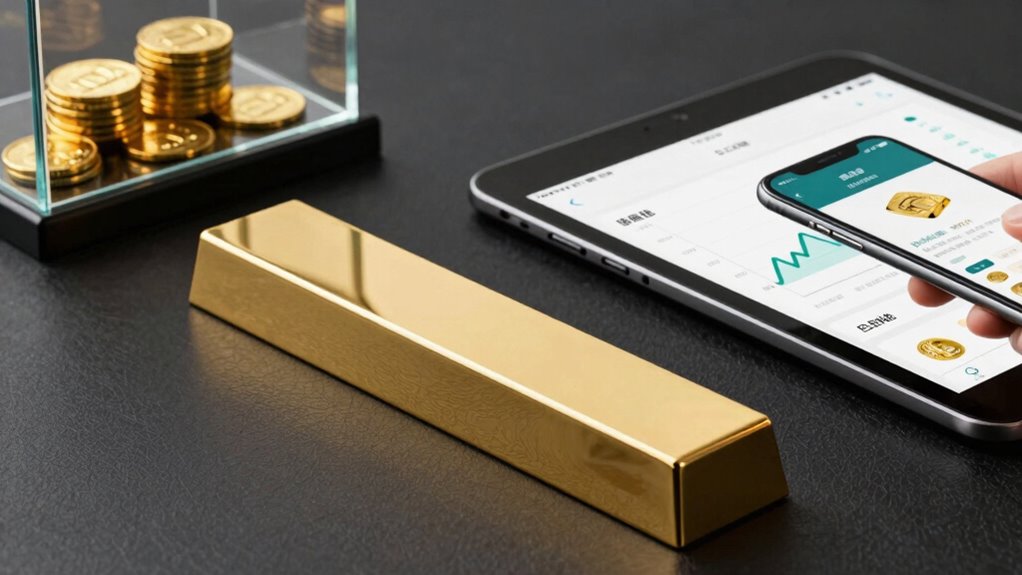

Tokenized gold offers you greater convenience, easy online access, and higher liquidity, making buying and selling simpler. However, it relies on digital infrastructure and trust in platforms, which can pose cybersecurity risks. Physical gold provides a tangible sense of security and permanence but is less convenient to store, transport, and sell quickly. Balancing these pros and cons can help you choose the right option—exploring more details will help you make an informed decision.

Get smart everyday buys delivered free with Prime
- Fast, free delivery on millions of items
- Prime Video, Amazon Music and more included
- Member-only deals all year
Key Takeaways
- Tokenized gold offers greater convenience and quick access via online platforms, unlike physical gold which requires secure handling and storage.
- Physical gold provides tangible reassurance and permanence but poses higher risks of theft, loss, and damage.
- Tokenized gold generally has higher liquidity and easier transferability compared to less liquid physical gold.
- Security for physical gold depends on physical safes, while digital tokens rely on cybersecurity measures and platform trust.
- Physical gold’s tangible nature fosters trust, whereas tokenized gold’s transparency depends on platform transparency and regulatory compliance.
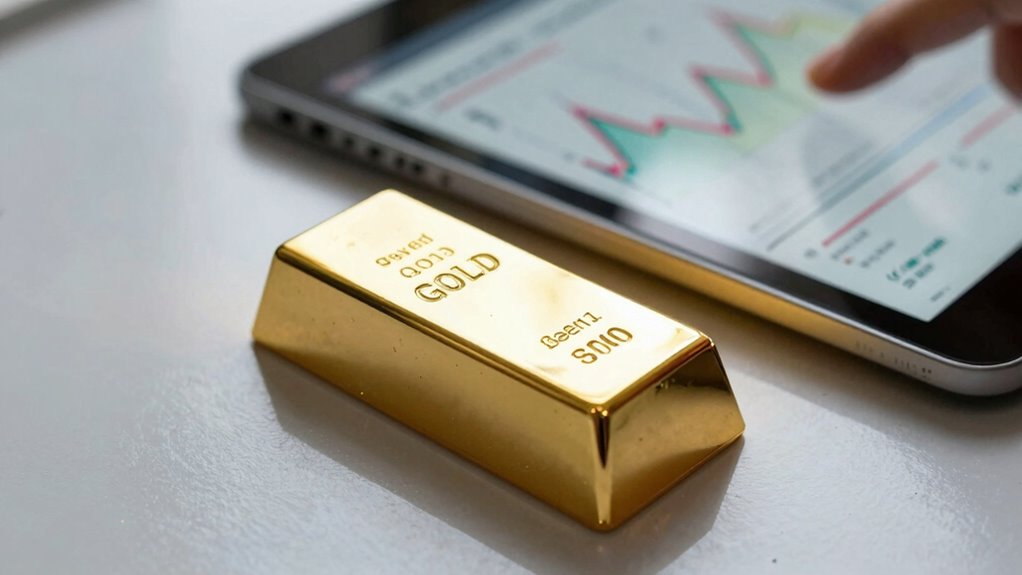
Gold has long been a trusted store of value, but how you choose to hold it—whether as physical gold or tokenized gold—can substantially impact your investment experience. If you opt for physical gold, you’ll need to evaluate how to store it securely. Physical gold offers tangible reassurance; you can hold it in your hands and see it as a concrete asset. However, this convenience comes with challenges. Secure storage requires a safe, vault, or safety deposit box, which can be costly and inconvenient. Plus, physically holding gold increases your exposure to risks like theft, loss, or damage. Transporting large amounts can also be cumbersome and risky, especially if you need to move your holdings frequently.
On the other hand, tokenized gold provides a different set of advantages, especially around digital security and storage convenience. When you invest in tokenized gold, you don’t have to worry about physical safekeeping. Instead, your ownership is recorded digitally on a blockchain, making it easier to manage and transfer. This digital approach enhances security because transactions are encrypted and require authentication, reducing the risk of theft or fraud. It also simplifies storage—no need for physical safes or safety deposit boxes. You can access and manage your holdings through online platforms or apps, giving you quick, seamless access from anywhere. This convenience is a significant benefit if you want to diversify your assets without the hassle of handling physical gold. Additionally, understanding the digital infrastructure behind tokenized assets is crucial for ensuring your investments are protected. It’s important to stay informed about the evolving regulations governing digital assets, which can vary significantly by jurisdiction. Moreover, the liquidity of tokenized gold can often be higher compared to physical gold, making it easier to buy or sell quickly when needed. As the market for digital assets continues to grow, awareness of cybersecurity risks is essential for safeguarding your holdings.
However, tokenized gold isn’t without its drawbacks. The digital security of your investment depends on the platform’s security measures. If the platform experiences a breach or a technical failure, your assets could be at risk. Unlike physical gold, which you hold in your hands, tokenized gold relies on the integrity of digital infrastructure. Additionally, some investors may feel uncomfortable trusting their assets to a third-party platform, especially if regulations aren’t clear or if the platform lacks transparency. While physical gold offers a sense of permanence and tangibility, tokenized gold offers flexibility and ease of access, but it demands a certain level of trust in digital security protocols. Understanding the importance of secure digital infrastructure can help investors make more informed decisions about digital assets.
As an affiliate, we earn on qualifying purchases.
Frequently Asked Questions
How Does Liquidity Compare Between Tokenized and Physical Gold?
Tokenized gold offers higher liquidity than physical gold because it provides instant market accessibility through digital platforms. You can buy or sell tokens quickly without worrying about storage or transportation. Physical gold, on the other hand, has lower liquidity due to limited market access and longer transaction times. Additionally, tokenized gold generally experiences less price volatility, making it easier for you to manage your investments efficiently and with confidence.
What Are the Tax Implications of Each Gold Form?
Ironically, tax implications can be more straightforward with physical gold, often treated as a collectible, meaning capital gains taxes apply. Tokenized gold, however, faces complex taxation policies and regulatory considerations, potentially classifying it as property or investment income, complicating your tax filings. You might enjoy simpler tax treatment with physical gold but should stay vigilant about evolving regulations surrounding digital assets for tokenized gold.
Can Tokenized Gold Be Stolen or Hacked?
Yes, tokenized gold can be stolen or hacked due to cybersecurity vulnerabilities. Since it’s stored digitally, you’re at risk of digital theft if hackers exploit security flaws in your platform or wallet. You need to guarantee strong passwords, two-factor authentication, and secure storage practices. While the physical gold isn’t susceptible to cyber threats, digital assets require careful management to protect against potential cyberattacks and unauthorized access.
How Is the Authenticity of Physical Gold Verified?
Did you know that over 80% of gold bars worldwide are verified using advanced authentication methods? To verify the authenticity of physical gold, you check its gold purity through tests like acid testing, X-ray fluorescence, or ultrasonic inspection. These methods guarantee the gold is genuine, free of contaminants, and meets industry standards. Proper certification and detailed assay reports also help confirm the gold’s authenticity before you buy or sell.
What Are the Costs Involved in Storing Physical Gold?
When storing physical gold, you face costs like storage fees and insurance costs. Storage fees vary depending on the provider and security level, typically charged annually or monthly. Insurance costs guarantee your gold’s safety against theft or damage and depend on the gold’s value. You should factor in these expenses when considering physical gold investment, as they can add up over time and impact your overall return.
gold investment safety deposit box
As an affiliate, we earn on qualifying purchases.
As an affiliate, we earn on qualifying purchases.
Conclusion
Ultimately, choosing between tokenized gold and physical gold is like picking your preferred way to enjoy a timeless treasure. While one offers sleek convenience and easy access, the other provides tangible reassurance and a sense of permanence. Consider what aligns best with your comfort level and goals. Whichever path you lean toward, remember that both can subtly serve as a shimmering safeguard for your financial future—each with its own quiet charm.
As an affiliate, we earn on qualifying purchases.
As an affiliate, we earn on qualifying purchases.
Fall Picks
fall essentials
As an affiliate, we earn on qualifying purchases.