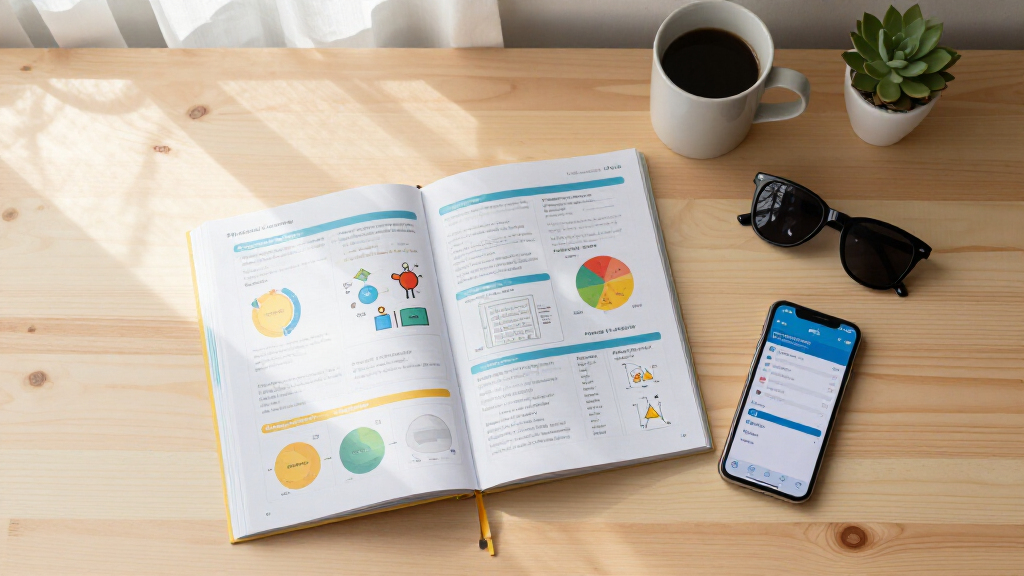

When comparing financial literacy workbooks for teens, the biggest tradeoff is between structured, activity-driven learning and concept-heavy reading that teens may never finish. The Financial Literacy Workbook for Teens Ages 14–18 earns my best overall pick for balancing practical exercises with full topic coverage — budgeting, credit, investing, and real-life scenarios — without assuming prior knowledge. Two standouts deserve early mention: Money Matters Workbook for Teens for its engaging, workbook-first approach that reluctant readers actually complete, and Real World Life Skills – Financial Literacy Skills Grade 6-12+ for older teens who need functional, life-skills framing rather than academic lessons. Notably, several popular titles are teacher resource books designed for classrooms, not independent teen use — a mismatch that trips up many buyers. Keep reading for the full ranked breakdown, including who each option suits and which ones to skip.

Get smart everyday buys delivered free — and shop member deals
- Fast, free delivery on millions of items
- Access to Prime Big Deal Days deals on October 6–7
- Prime Video, Amazon Music and more included
Key Takeaways
- The biggest buying trap in this category is teacher resource books (the Grade 3, 4, and 6 ‘Lessons and Activities’ series) being purchased for home use — they require an instructor and are misaligned with independent teen learners.
- Workbooks that lead with activities and real-life scenarios (the Ages 14–18 Practical Guide, Money Matters, and the 35 Money Skills Workbook) consistently outperform reading-first guides for teens who aren’t self-motivated about finance.
- The best overall pick, Financial Literacy Workbook for Teens Ages 14–18, won because it covers credit building — a topic several cheaper competitors skip entirely despite its outsized impact on a teen’s financial future.
- Value separates sharply at the low end: Humble Math delivers solid consumer-math drills at a fraction of the price of full curricula, but it targets younger or struggling students, not college-bound teens.
- Only one option (the Financial Literacy Activity Book for Teens) covers cryptocurrency, making it the pick for tech-curious teens — but that coverage is introductory and shouldn’t be the deciding factor for most buyers.
| Financial Literacy for Teens and Young Adults 101: The Ultimate Guide to Budget, Save, and Invest Money to Build Future Wealth and Equity at an Early Age |  | Best for Wealth-Building Mindset | Format: Paperback / digital guide | Target Age: Teens and young adults | Core Topics: Budgeting, saving, investing, wealth building, equity | VIEW LATEST PRICE | See Our Full Breakdown |
| Teen Financial Literacy Made Simple: A Beginner’s Personal Finance Workbook for Kids and Teens |  | Best for Absolute Beginners | Format: Printed workbook | Target Age: Kids and young teens | Core Topics: Budgeting, saving, basic personal finance | VIEW LATEST PRICE | See Our Full Breakdown |
| Financial Literacy Lessons and Activities for Grade 6 Teacher’s Resource Book |  | Best for Classroom and Homeschool Teachers | Format: Teacher’s resource book | Target Grade: Grade 6 | Core Topics: Money management, math word problems, money games | VIEW LATEST PRICE | See Our Full Breakdown |
| Financial Literacy Lessons and Activities for Grade 4 Teacher’s Resource Book |  | Best for Elementary Learners | Format: Teacher’s resource book | Target Grade: Grade 4 | Core Topics: Basic money management, math word problems, money games | VIEW LATEST PRICE | See Our Full Breakdown |
| Financial Literacy for Teens Unlocked: Master Your Money, Budget, Save, and Invest Like the Pros |  | Best Motivational Read for Self-Starter Teens | Format: Paperback / digital book | Target Age: Teens | Core Topics: Budgeting, saving, investing, wealth for independence | VIEW LATEST PRICE | See Our Full Breakdown |
| Financial Literacy Workbook for Teens Ages 14–18 |  | Best All-Around Teen Workbook | Target Age Range: 14–18 years | Grade Level: High school students | Core Topics: Budgeting, saving, investing, credit building, money management | VIEW LATEST PRICE | See Our Full Breakdown |
| Real World Life Skills – Financial Literacy Skills Grade 6-12+ |  | Best for Classroom and Group Instruction | Target Grade Range: Grade 6–12+ | Estimated Age Range: 11–18+ years | Core Topics: Money management, budgeting, financial decision-making | VIEW LATEST PRICE | See Our Full Breakdown |
| Financial Literacy Lessons and Activities for Grade 3 Teacher’s Resource Book |  | Best for Early Financial Foundations | Target Grade Level: Grade 3 | Target Age Range: 8–9 years | Content Types: Reproducible worksheets, lessons, math word problems, money games | VIEW LATEST PRICE | See Our Full Breakdown |
| Personal Finance for Teens Workbook: American Edition |  | Best U.S.-Focused Pick | Target Audience: Teens | Edition: American (U.S.) Edition | Core Topics: Budgeting, saving, investing, personal money management | VIEW LATEST PRICE | See Our Full Breakdown |
| Humble Math – Money and Financial Literacy (U.S. Edition) |  | Best for Math-Minded Learners | Target Age Range: 12 years and up | Edition: U.S. Edition | Core Topics: Banking, investing, loans, business basics | VIEW LATEST PRICE | See Our Full Breakdown |
| Money Matters Workbook for Teens (Ages 15-18) |  | Best for Late High Schoolers | Format: Paperback workbook | Age Range: 15-18 years | Core Topics: Budgeting, money management, financial decision-making | VIEW LATEST PRICE | See Our Full Breakdown |
| Money Skills for Teens: A Beginner’s Guide to Budgeting, Saving, and Investing |  | Best Beginner Primer | Format: Paperback guide | Target Audience: Teen beginners | Core Topics: Budgeting, saving, investing | VIEW LATEST PRICE | See Our Full Breakdown |
| 35 Money Skills Workbook for Teenagers Ages 15-19 |  | Best for Reluctant Learners | Format: Activity/challenge workbook | Age Range: 15-19 years | Number of Skills: 35 challenges | VIEW LATEST PRICE | See Our Full Breakdown |
| Financial Literacy Activity Book for Teens: Workbook with Fun Exercises on Budgeting, Saving, Spending, Credit, Debit, Banking, Cryptocurrency, and Financial Skills |  | Widest Topic Coverage | Format: Activity book / workbook | Target Audience: Teens | Core Topics: Budgeting, saving, spending, credit, debit, banking, cryptocurrency | VIEW LATEST PRICE | See Our Full Breakdown |
| Evan-Moor Financial Literacy and Life Skills for Kids, Ages 12-13 |  | Best for Middle Schoolers | Format: Paperback activity workbook | Age Range: 12-13 years (grades 6-8) | Core Topics: Budgeting, saving, spending, credit basics | VIEW LATEST PRICE | See Our Full Breakdown |
| financial literacy workbooks for teen | Format | Core Topics | Learning Style |
|---|---|---|---|
| Financial Literacy for Teens a | Paperback / digital guide | Budgeting, saving, investing, wealth building, equity | — |
| Teen Financial Literacy Made S | Printed workbook | Budgeting, saving, basic personal finance | — |
| Financial Literacy Lessons and | Teacher’s resource book | Money management, math word problems, money games | — |
| Financial Literacy Lessons and | Teacher’s resource book | Basic money management, math word problems, money games | — |
| Financial Literacy for Teens U | Paperback / digital book | Budgeting, saving, investing, wealth for independence | — |
| Financial Literacy Workbook fo | Paperback workbook | Budgeting, saving, investing, credit building, money management | Real-life activities |
| Real World Life Skills | Educational resource book with exercises | Money management, budgeting, financial decision-making | Practical exercises and life-skills application |
| Financial Literacy Lessons and | Teacher’s resource book | Basic financial literacy and money math | — |
| Personal Finance for Teens Wor | Paperback workbook | Budgeting, saving, investing, personal money management | — |
| Humble Math | Consumer math workbook | Banking, investing, loans, business basics | Practice problems and practical examples |
| Money Matters Workbook for Tee | Paperback workbook | Budgeting, money management, financial decision-making | Interactive exercises |
| Money Skills for Teens: A Begi | Paperback guide | Budgeting, saving, investing | Explanatory guide, lighter on exercises |
| 35 Money Skills Workbook for T | Activity/challenge workbook | Budgeting, saving, wealth building, financial confidence | Gamified challenges |
| Financial Literacy Activity Bo | Activity book / workbook | Budgeting, saving, spending, credit, debit, banking, cryptocurrency | Interactive activities |
| Evan-Moor Financial Literacy a | Paperback activity workbook | Budgeting, saving, spending, credit basics | Real-world activities |
More Details on Our Top Picks
Financial Literacy for Teens and Young Adults 101: The Ultimate Guide to Budget, Save, and Invest Money to Build Future Wealth and Equity at an Early Age
This pick stands out for its long-term wealth focus — it’s one of the few options in this lineup that pushes past basic budgeting into investing and equity-building for readers still in their teens. Compared with Teen Financial Literacy Made Simple, which stays firmly in beginner territory, this guide treats money as a compounding tool rather than just something to track in a ledger. The tradeoff is that it reads more like a guide than a workbook: readers who want fill-in exercises and activities will find fewer of them here than in the Financial Literacy Workbook for Teens Ages 14–18. It also carries the downside common to newer titles — few published reviews to validate the depth of its investing chapters.
Pros:- Extends beyond budgeting into investing and equity building
- Frames money decisions around long-term wealth, not just saving
- Language stays accessible despite covering advanced concepts
- Works as a bridge into adult-level personal finance books
Cons:- Fewer interactive exercises than dedicated workbooks in this roundup
- Little review history available to gauge real-world reception
- Content depth on investing may still be too thin for serious beginners in that area
Best for: Motivated teens and young adults who already grasp budgeting basics and want to start investing early
Not ideal for: Parents seeking a structured, exercise-heavy workbook for classroom or homeschool use — this is reading-first, not activity-first
- Format:Paperback / digital guide
- Target Age:Teens and young adults
- Core Topics:Budgeting, saving, investing, wealth building, equity
- Approach:Reading-based guide
- Interactivity:Low — minimal exercises
- Best Setting:Independent reading
- Prerequisite Level:Beginner to intermediate
Our verdict“Choose this if your teen is ready to think about growing money, not just managing it — but pair it with an activity workbook for practice.”
Teen Financial Literacy Made Simple: A Beginner’s Personal Finance Workbook for Kids and Teens
Where most entries in this roundup assume a high schooler, this workbook starts lower — it’s built for kids and younger teens who have never seen a budget before. The interactive exercises are its real advantage: compared with Financial Literacy for Teens and Young Adults 101, which is largely explanatory, this one reinforces every concept through practice. That said, the simplicity cuts both ways. Teens who already handle their own money will outgrow it fast, and unlike the Financial Literacy Activity Book for Teens, which stretches into banking, credit, and even cryptocurrency, this stays on fundamentals with no digital companion resources to extend the learning.
Pros:- Genuinely beginner-friendly language and pacing
- Hands-on exercises reinforce each concept immediately
- Low intimidation factor for reluctant readers
- Short enough to complete without losing interest
Cons:- Limited advanced topics — nothing on credit, taxes, or investing depth
- No digital or online companion resources
- Older teens will finish it without being challenged
Best for: Families with 10–14 year olds getting their first allowance or bank account
Not ideal for: High school juniors and seniors — the material is too basic and will feel juvenile
- Format:Printed workbook
- Target Age:Kids and young teens
- Core Topics:Budgeting, saving, basic personal finance
- Approach:Exercise-driven workbook
- Interactivity:High — structured activities throughout
- Best Setting:Home or introductory classroom use
- Prerequisite Level:None — true beginner
Our verdict“The right first step for a pre-teen’s first money lessons, but plan on graduating to a deeper workbook within a year.”
Financial Literacy Lessons and Activities for Grade 6 Teacher’s Resource Book
This is the only structured curriculum-style resource in the batch, built around reproducible worksheets, math word problems, and money games that a teacher can copy and deploy repeatedly. Compared with consumer titles like Money Skills for Teens, which is written directly to the student, this one is written to the instructor — the difference matters if you’re teaching a group rather than one child. The math integration is a genuine strength: money problems double as grade-level math practice. The tradeoffs are real, though. It targets sixth graders specifically, so a 16-year-old will find it beneath them, and like the Grade 4 edition in this roundup, it lacks transparent pricing and review data for comparison shopping.
Pros:- Reproducible worksheets make it cost-effective for multiple students
- Blends financial literacy with grade-appropriate math practice
- Money games keep group lessons engaging
- Designed specifically for structured teaching, not self-study
Cons:- Narrowly scoped to grade 6 — limited lifespan for a homeschool family
- No customer ratings available to verify classroom effectiveness
- Requires teacher prep; students can’t use it independently
Best for: Sixth-grade teachers and homeschool parents who need a structured, repeatable money-math curriculum
Not ideal for: Parents of high schoolers — the grade-level framing and math difficulty top out well below teen-level finance
- Format:Teacher’s resource book
- Target Grade:Grade 6
- Core Topics:Money management, math word problems, money games
- Approach:Instructor-led lessons
- Interactivity:High — reproducible worksheets and games
- Best Setting:Classroom or homeschool
- Reusability:Worksheets are reproducible
Our verdict“A smart buy for a classroom or co-op teaching sixth graders; skip it if your learner is older or works independently.”
Financial Literacy Lessons and Activities for Grade 4 Teacher’s Resource Book
As the youngest-skewing entry in this roundup, this resource plants financial literacy in the same school year kids first tackle multi-step math. Its game-based approach is what makes it work at this age — fourth graders learn money concepts through play rather than lectures, something neither Teen Financial Literacy Made Simple nor the Grade 6 edition can claim as fully. The math alignment is the practical payoff for homeschool parents doubling up subjects. The flip side: this is the shallowest finance content in the entire lineup, covering counting money and basic spending rather than saving strategy or investing. Compared with the Grade 6 version, lesson counts and scope details are even sparser, which makes it harder to judge value before buying.
Pros:- Age-appropriate games make money concepts concrete for young kids
- Integrates cleanly with grade 4 math curriculum
- Reproducible pages suit multi-child families
- Builds early vocabulary that later workbooks assume
Cons:- Very shallow coverage — nothing beyond elementary money basics
- Limited documentation on lesson count and page depth
- Too young for the teen audience this roundup centers on
Best for: Homeschool parents of 8–10 year olds who want to fold money skills into math time
Not ideal for: Anyone buying for a teen — this is a title for the roundup’s context only, not a teen’s actual level
- Format:Teacher’s resource book
- Target Grade:Grade 4
- Core Topics:Basic money management, math word problems, money games
- Approach:Instructor-led with games
- Interactivity:High — activities and reproducible worksheets
- Best Setting:Elementary classroom or homeschool
- Prerequisite Level:None
Our verdict“A solid early-foundation pick for elementary kids, but it belongs on a younger sibling’s shelf, not a teen’s.”
Financial Literacy for Teens Unlocked: Master Your Money, Budget, Save, and Invest Like the Pros
This title’s differentiator is tone — it’s written to make a teen actually want to read it, framing money skills as a path to independence rather than homework. Compared with the drier Financial Literacy for Teens and Young Adults 101, this book leans into accessible language and a ‘like the pros’ framing that suits a self-motivated reader who chose to learn about money on their own. The honest tradeoff: depth is uncertain. Where the Financial Literacy Workbook for Teens Ages 14–18 spells out its activity list and credit-building coverage, this one publishes few specifics about its content structure, and with minimal review history, buyers are gambling somewhat on whether the investing chapters deliver more than motivation.
Pros:- Engaging, teen-directed voice that doesn’t feel like a textbook
- Covers the full arc from budgeting to investing
- Emphasizes financial independence as a motivating goal
- Readable enough to finish without adult supervision
Cons:- Content depth is undocumented — chapter scope is vague
- Almost no review history to validate quality
- Light on structured exercises compared with true workbooks
Best for: Teens who picked up an interest in money on their own and want an engaging entry point
Not ideal for: Parents or teachers who need a documented, exercise-based curriculum — the structure here is too loosely specified
- Format:Paperback / digital book
- Target Age:Teens
- Core Topics:Budgeting, saving, investing, wealth for independence
- Approach:Motivational reading guide
- Interactivity:Low to moderate
- Best Setting:Independent self-study
- Prerequisite Level:Beginner
Our verdict“A good gateway book for a curious teen reader, but verify it satisfies your depth expectations before relying on it as a sole resource.”
Financial Literacy Workbook for Teens Ages 14–18
This pick earns its spot at the top of the teen category because it targets the 14–18 age range squarely and structures every chapter around real-life activities rather than dry definitions. Compared with Personal Finance for Teens Workbook: American Edition, which covers similar ground but gives less detail on its activity structure, this one makes its hands-on approach the selling point — teens practice budgeting and credit decisions instead of just reading about them. The breadth is genuine: budgeting, saving, investing, and credit building all get dedicated treatment, which many narrower workbooks skip. The tradeoff is that breadth comes at the cost of depth — advanced teens who already budget may find the investing chapters thin. Compared with Real World Life Skills – Financial Literacy Skills, it feels more teen-voiced and less classroom-clinical, which matters for self-directed learners.
Pros:- Covers budgeting, saving, investing, and credit in one volume
- Activity-based lessons that translate to real decisions
- Age-appropriate tone for 14–18 self-study
- Broader topic coverage than most single-skill workbooks
Cons:- Survey-style depth — no topic gets exhaustive treatment
- No customer ratings yet to verify quality
- Investing sections are introductory at best
Best for: Parents of high schoolers (14–18) who want a single workbook covering budgeting through investing with activities a teen can complete independently
Not ideal for: Teens already comfortable with basic budgeting who want deep investing or tax content — this stays at survey level
- Target Age Range:14–18 years
- Grade Level:High school students
- Core Topics:Budgeting, saving, investing, credit building, money management
- Format:Paperback workbook
- Learning Style:Real-life activities
- Intended Use:Independent or guided teen study
- Edition:English, teen-focused edition
Our verdict“The safest single purchase for a high schooler’s first comprehensive money workbook.”
Real World Life Skills – Financial Literacy Skills Grade 6-12+
Where Financial Literacy Workbook for Teens Ages 14–18 is built for an individual teen working through pages solo, this resource is clearly designed for structured classroom delivery across a wide grade span. The Grade 6–12+ range is its defining feature: a middle school teacher can introduce it early and reuse the framework through graduation, something no other pick in this lineup can do. Lessons lean on practical exercises tied to financial decision-making, which keeps it from being a lecture-only text. The tradeoff is the flip side of that flexibility — content pitched at both a 12-year-old and an 18-year-old inevitably lands in the middle, so sophisticated teens may find it under-challenging. Compared with Humble Math – Money and Financial Literacy, it prioritizes discussion-ready life skills over computation drills, making it the better fit for group settings.
Pros:- Spans grades 6–12+, offering multi-year classroom value
- Exercises designed for guided instruction and discussion
- Focuses on real-world decision-making, not just vocabulary
- Works for both school and homeschool settings
Cons:- Middle-of-the-road difficulty suits neither end of the age range perfectly
- Sparse product details make lesson quality hard to verify before buying
- No ratings available
Best for: Middle and high school teachers, co-ops, and homeschool families teaching mixed-age groups
Not ideal for: Parents of a single older teen wanting targeted, age-specific depth — the wide grade band dilutes the challenge
- Target Grade Range:Grade 6–12+
- Estimated Age Range:11–18+ years
- Core Topics:Money management, budgeting, financial decision-making
- Format:Educational resource book with exercises
- Intended Use:Classroom or group instruction
- Learning Style:Practical exercises and life-skills application
- Setting:School and homeschool compatible
Our verdict“A sensible pick for educators who need one resource that scales across grade levels.”
Financial Literacy Lessons and Activities for Grade 3 Teacher’s Resource Book
This is the outlier in the lineup — not a teen workbook at all, but a teacher’s resource for third graders, and that’s exactly why it earns a role: families starting financial education early need a different tool than those shopping for a 16-year-old. The reproducible worksheets mean one copy serves a whole classroom or multiple siblings, a cost advantage that consumable teen workbooks like Financial Literacy Workbook for Teens Ages 14–18 can’t match. Content leans on math word problems and money games, meeting eight-year-olds where they are developmentally. The obvious tradeoff: it has no place in a teen’s stack — the concepts cap out around basic money math and simple saving. Compared with its sibling Grade 6 edition in this same roundup, it’s purely foundational, so think of it as the first rung on a ladder rather than a competitor to the teen picks.
Pros:- Reproducible pages make it economical for classrooms and multiple kids
- Money games keep 8–9 year olds engaged
- Blends financial concepts with grade-appropriate math practice
- Designed specifically for teachers and homeschoolers
Cons:- Grade 3 ceiling — irrelevant for the teen audience this roundup serves
- No sample pages or ratings available to preview quality
- Requires adult instruction; not a self-study tool
Best for: Elementary teachers and homeschool parents building money basics into a grade 3 curriculum
Not ideal for: Anyone shopping for actual teens — the content is roughly a decade below their level
- Target Grade Level:Grade 3
- Target Age Range:8–9 years
- Content Types:Reproducible worksheets, lessons, math word problems, money games
- Format:Teacher’s resource book
- Intended Use:Classroom or homeschool instruction
- Reproduction Rights:Worksheets are reproducible
- Core Topics:Basic financial literacy and money math
Our verdict“Start here only if you’re laying money groundwork with a third grader, not a teenager.”
Personal Finance for Teens Workbook: American Edition
The American Edition label is doing real work here. Financial workbooks that stay country-agnostic can’t teach the things that actually trip up U.S. teens — FICO scores, 401(k)s, tax forms — and this one anchors its lessons in domestic financial systems. Compared with Humble Math – Money and Financial Literacy (U.S. Edition), which also targets the American context, this pick skews older and more habit-focused: it’s less about arithmetic drills and more about building responsible money behaviors around budgeting, saving, and investing. The tradeoff is transparency. Product details are thin — there’s little information on length, page count, or activity density, so buyers are gambling somewhat on structure compared with the clearly activity-labeled Financial Literacy Workbook for Teens Ages 14–18. For a teen who needs to understand specifically how American banking and credit work before leaving home, that gamble is defensible.
Pros:- Content tailored to U.S. banking, credit, and tax systems
- Habit-building focus rather than one-off lessons
- Covers budgeting, saving, and investing essentials
- Teen-appropriate pacing for independent use
Cons:- Minimal published detail on format, length, or activity count
- No customer ratings to gauge real-world reception
- Less hands-on activity emphasis than category leaders
Best for: U.S.-based teens preparing for real-world American financial systems — bank accounts, credit scores, and taxes
Not ideal for: International families — the U.S.-specific content will need heavy supplementing or replacing
- Target Audience:Teens
- Edition:American (U.S.) Edition
- Core Topics:Budgeting, saving, investing, personal money management
- Regional Focus:U.S. financial systems
- Format:Paperback workbook
- Learning Goal:Build financial literacy and responsible money habits
- Intended Use:Independent teen study
Our verdict“The right call when U.S.-specific financial mechanics matter more than exhaustive topic coverage.”
Humble Math – Money and Financial Literacy (U.S. Edition)
Humble Math occupies a distinct niche: it treats financial literacy as a numbers discipline first. Where Financial Literacy Workbook for Teens Ages 14–18 leads with scenarios and decision-making, this one leads with consumer math practice — calculating interest, working loan payments, running banking arithmetic. That makes it the strongest pick here for teens who learn through repetition and computation, and its age 12+ floor means middle schoolers can start earlier than most teen-labeled options allow. Coverage extends from banking and loans into business basics and investing, giving it unusual range for a math-forward book. The tradeoff: teens who find worksheets tedious will stall out, because the conceptual ‘why’ behind money decisions gets less attention than the mechanics. Compared with Personal Finance for Teens Workbook: American Edition, it shares the U.S. focus but trades behavioral coaching for calculation confidence.
Pros:- Consumer math builds transferable calculation skills alongside money concepts
- Age 12+ entry point lets younger learners start early
- Extends into business basics rarely covered in teen workbooks
- U.S. edition matches domestic banking and loan conventions
Cons:- Drill-heavy format can feel repetitive for concept-first learners
- Lighter on money mindset and decision-making frameworks
- No ratings or pricing transparency available
Best for: Math-comfortable teens and pre-teens (12+) who build skills through practice problems and drills
Not ideal for: Teens who dislike worksheets or need motivation and money-mindset coaching — the drill format will lose them
- Target Age Range:12 years and up
- Edition:U.S. Edition
- Core Topics:Banking, investing, loans, business basics
- Format:Consumer math workbook
- Learning Style:Practice problems and practical examples
- Regional Focus:U.S. financial conventions
- Intended Use:Independent practice, ages 12+ including young adults
Our verdict“Pick this when you want a teen fluent in the arithmetic of money, not just the vocabulary.”
Money Matters Workbook for Teens (Ages 15-18)
This pick makes the most sense for families with a teen who is months away from real financial independence — first jobs, checking accounts, and spending decisions that actually matter. Where Money Skills for Teens leans toward introductions, this workbook frames its exercises around financial decision-making scenarios that mirror what an 17-year-old faces, which gives it a more mature feel than the Evan-Moor title aimed at 12-13 year olds. Compared with the 35 Money Skills Workbook, it takes a steadier, less gamified approach that suits teens who want to be treated like young adults rather than kids. The tradeoff: publisher details on page count and content depth are thin, so buyers are trusting the Moody Publishers reputation more than a detailed table of contents.
Pros:- Scenarios built around real decisions teens face, like budgeting a paycheck
- Interactive exercises instead of passive reading
- Tighter age targeting (15-18) than broader 12-19 competitors
- Comes from an established publisher with a long track record in teen finance education
Cons:- Minimal published detail on content depth and page count makes comparison shopping difficult
- Not as engaging or game-like as challenge-based workbooks like the 35 Money Skills title
- Little coverage of newer topics like digital banking or cryptocurrency
Best for: Parents of 16-18 year olds with a first job or bank account who need decision-making practice, not just vocabulary lessons
Not ideal for: Middle schoolers or younger teens — the 15-18 framing assumes exposure to real income and expenses they won’t have yet
- Format:Paperback workbook
- Age Range:15-18 years
- Core Topics:Budgeting, money management, financial decision-making
- Learning Style:Interactive exercises
- Publisher:Moody Publishers
- Focus Level:Late high school / pre-independence
Our verdict“A strong default for juniors and seniors who need practical money decision practice before graduation, provided you’re comfortable buying without detailed content previews.”
Money Skills for Teens: A Beginner’s Guide to Budgeting, Saving, and Investing
Of the options in this lineup, this guide is the gentlest on-ramp for a teen starting from zero financial knowledge. Its plain-language explanations of budgeting, saving, and investing assume no prior exposure, which sets it apart from Money Matters Workbook, where exercises presume some hands-on money experience. The investing coverage is also broader than most workbooks here — the Evan-Moor title doesn’t touch investing at all — making it a reasonable starting point before moving to a denser guide like Financial Literacy for Teens Unlocked. The compromise is depth: teens who already grasp compound interest or want worked examples and advanced strategies will outgrow it quickly, and unlike the 35 Money Skills Workbook, there’s no mention of digital companion resources.
Pros:- Beginner-friendly language that never assumes prior knowledge
- One of the few picks that covers investing basics, not just budgeting
- Clean topical progression from budgeting to saving to investing
- Lower intimidation factor than thick reference-style guides
Cons:- Lacks detailed worked examples, so teens who learn by doing may prefer challenge-based workbooks
- No accompanying digital resources or online tools
- Too basic for teens with part-time jobs who already manage money
Best for: Teens ages 13-16 with no prior money education who need concepts explained from scratch in accessible language
Not ideal for: Older or finance-curious teens who want advanced strategies, detailed examples, or digital extras — this stays at the introductory level
- Format:Paperback guide
- Target Audience:Teen beginners
- Core Topics:Budgeting, saving, investing
- Reading Level:Beginner, plain language
- Learning Style:Explanatory guide, lighter on exercises
- Digital Resources:None mentioned
Our verdict“The right first book for a complete beginner who needs investing introduced in plain English before tackling deeper material.”
35 Money Skills Workbook for Teenagers Ages 15-19
This option stands out for turning financial literacy into fun, challenge-based activities rather than textbook lessons — a format built for the teen who groans at anything resembling homework. Compared with Money Matters Workbook, which uses more conventional exercises, the 35-skills structure gives reluctant learners short, winnable challenges with visible progress, covering budgeting, saving, and early wealth-building habits. It also stretches a year older than most competitors (up to 19), which helps college freshmen who missed financial education in high school. The real drawback is transparency: there are few sample pages or details about included materials, so you’re betting on the format without previewing it — something the Financial Literacy Workbook for Teens Ages 14-18 does better with its more detailed description.
Pros:- Challenge format that motivates teens who resist traditional lessons
- Age range extends to 19, covering college freshmen
- Builds a concrete sense of progress across 35 discrete skills
- Touches wealth-building and confidence, not just basic budgeting
Cons:- No sample pages or detailed content descriptions available to preview
- Unclear what supplementary materials or format extras are included
- Fun-first approach may sacrifice depth compared with more academic workbooks
Best for: Parents of disengaged or homework-averse teens ages 15-19 who need gamified challenges to stay motivated
Not ideal for: Families who want to evaluate content depth before buying — sparse detail on materials and format makes this a bit of a leap of faith
- Format:Activity/challenge workbook
- Age Range:15-19 years
- Number of Skills:35 challenges
- Core Topics:Budgeting, saving, wealth building, financial confidence
- Learning Style:Gamified challenges
- Sample Pages:Not available
Our verdict“Pick this when the battle is getting your teen to engage at all — the challenge format wins attention where traditional workbooks lose it.”
Financial Literacy Activity Book for Teens: Workbook with Fun Exercises on Budgeting, Saving, Spending, Credit, Debit, Banking, Cryptocurrency, and Financial Skills
No other pick in this roundup matches the breadth of modern topics here: alongside standard budgeting and saving, it covers credit, debit, banking, and even cryptocurrency. That matters for teens whose financial world includes digital payments and crypto curiosity — topics that Money Matters Workbook and the Evan-Moor title skip entirely. The activity-based format keeps it approachable for beginners, though it lacks the beginner-narrative flow of Money Skills for Teens. The honest tradeoff is that this is a newer, unproven release: with no customer ratings and limited content reviews available, buyers can’t verify quality the way they can with established titles. Crypto coverage is also a double-edged sword — welcome context for some families, a distraction or concern for others.
Pros:- Only pick covering cryptocurrency and modern banking topics
- Activity-based format suits hands-on learners
- Breadth across credit, debit, banking, and everyday spending
- Timely for teens navigating digital payment tools
Cons:- No customer ratings or independent reviews yet given recent release
- Breadth over depth means each topic gets lighter treatment
- Crypto content may not align with every family’s values
Best for: Tech-curious teens who want to understand modern money — digital banking, debit vs. credit, and crypto — alongside the basics
Not ideal for: Buyers who rely on reviews and track records — this is a new release with no ratings, and parents uncomfortable with crypto content should look elsewhere
- Format:Activity book / workbook
- Target Audience:Teens
- Core Topics:Budgeting, saving, spending, credit, debit, banking, cryptocurrency
- Learning Style:Interactive activities
- Modern Topics:Cryptocurrency and digital banking included
- Customer Ratings:None available (new release)
Our verdict“Choose this if your teen’s money questions include Venmo, debit cards, and Bitcoin — just accept the risk of an unreviewed new title.”
Evan-Moor Financial Literacy and Life Skills for Kids, Ages 12-13
This is the youngest-skewing option in this batch, and that’s its whole value proposition: real-world financial activities scaled to a 12-13 year old’s actual life — allowance, school spending, small purchases — rather than the paycheck-driven scenarios in Money Matters Workbook. Evan-Moor’s background in classroom materials shows in the structured activity design, which is more pedagogically deliberate than the newer, untested Financial Literacy Activity Book for Teens. Compared with the Grade 6 Teacher’s Resource Book from the same publisher, this one targets parents and home use rather than classroom instruction. The limitations are real, though: no investing content, and younger 12-year-olds may still need a parent working alongside them to get through the material meaningfully.
Pros:- Backed by Evan-Moor’s established educational publishing pedigree
- Real-world activities matched to a middle schooler’s actual money experiences
- Ideal entry point before advancing to teen-focused workbooks
- Well-structured for home or homeschool use
Cons:- Content may require adult supervision for younger teens to stay engaged
- No investing or advanced topics, limiting how long it stays useful
- Sparse published specs make it hard to gauge total length and depth
Best for: Parents of 12-13 year olds who want a classroom-quality introduction to money basics at home, before high school
Not ideal for: High schoolers — the content stops well short of the credit, investing, and banking depth that older teens need
- Format:Paperback activity workbook
- Age Range:12-13 years (grades 6-8)
- Core Topics:Budgeting, saving, spending, credit basics
- Publisher:Evan-Moor
- Learning Style:Real-world activities
- Supervision:Adult guidance recommended for younger users
Our verdict“The clear choice for starting financial literacy in middle school with a trusted educator brand, as long as a parent is willing to participate.”

How We Picked
I evaluated each workbook through the lens of a parent, teacher, or mentor handing it to a real teenager and expecting actual learning to happen. The criteria that separated the top picks were topic depth (does it cover budgeting, saving, credit, and investing, or just a subset?), engagement design (activities, scenarios, and worksheets versus dense explanatory text), age-appropriate framing (written for teens to use independently, or written for a facilitator?), and value for money relative to page count and durability. Books that assumed an adult instructor were ranked down for home buyers even when their classroom content was strong.
Ranking order also reflects fit-for-purpose: workbooks a motivated 15-year-old could complete solo ranked highest, narrowly-scoped drill books filled the value tier, and classroom-only resources were placed lower with clear warnings about who should actually buy them. Where two books covered similar ground, the tiebreaker was whether the exercises connected to a teen’s actual life — first jobs, phone bills, and first bank accounts — rather than abstract word problems.
Factors to Consider When Choosing Financial Literacy Workbooks For Teens
Before choosing a workbook, it helps to understand the landscape — this category mixes self-study teen guides, classroom teacher resources, and elementary drill books under similar titles. These are the factors that actually change what you should buy.Independent Use vs. Guided Instruction
The single most common mistake in this category is buying a teacher’s resource book when what you need is a self-directed workbook. Teacher editions — like the Grade 3–6 Lessons and Activities series — include answer keys, pacing suggestions, and group activities that assume a facilitator is running the room. Hand one to a teen for independent study and they’ll stall quickly. Conversely, if you’re a homeschool parent or teacher planning lessons, a self-study book may leave you without the structure and assessment tools you need. Decide who will be in the room before you decide which book goes in the cart.
Topic Coverage and Depth
Not every workbook with ‘financial literacy’ on the cover covers the same ground. Some focus almost entirely on budgeting and saving, while the stronger picks add credit scores, debt, banking, and investing basics. For a teen approaching 18, credit is arguably the most consequential topic — mistakes there follow them for years, yet many budget-focused books skip it. Investing content varies widely too: some books devote a chapter to compound growth and index funds, while others stop at savings accounts. Match the depth to your teen’s next life stage rather than their current age alone.
Engagement Style and Reading Level
A workbook only works if it gets finished. Activity-heavy formats with fill-in budgets, scenario quizzes, and reflection prompts tend to hold teen attention far better than chapter-and-paragraph formats that read like textbooks. Consider your teen’s reading stamina honestly: a reluctant reader will abandon a dense ‘ultimate guide’ regardless of how good the content is. Shorter, workbook-first options with lower reading loads often produce better outcomes than prestigious-looking tomes, because completion — not page count — is what builds real money skills.
Age and Grade Alignment
Age labels on these workbooks are suggestions, not guarantees. A book labeled for ages 12–18 can still skew young with cartoon illustrations and simple arithmetic, frustrating a 16-year-old. At the other end, giving a 13-year-old a book heavy on credit scores and pay stubs may lose them before the relevant chapters arrive. The sweet spot for most teens is content anchored to near-future milestones: first job, first bank account, first car. Check the table of contents for these touchpoints rather than trusting the age range printed on the cover.
Price vs. Longevity
Most teen financial literacy workbooks sit in an affordable range, which means price differences reflect scope and print quality more than a quality gap. A cheap drill book that covers only consumer math may be perfect for a younger teen but gets outgrown within a year. A fuller curriculum costs more but can serve a teen through high school graduation. One practical tradeoff: single-use workbooks with write-in pages can’t be handed down to siblings, so larger families may prefer reproducible teacher editions even for home use — the copying rights can offset the higher upfront cost.
Currency and Modern Topics
Money is changing faster than most print books can track. If digital banking, payment apps, or cryptocurrency matter to your teen, check the publication date and table of contents before buying — many well-reviewed workbooks still assume cash and checks as the default. That said, don’t over-index on trendy topics: the core skills of budgeting, saving, and understanding credit barely change decade to decade. A book with solid fundamentals and slightly dated payment examples usually beats a flashy book that leans on crypto hype while skipping compound interest.
Frequently Asked Questions
What’s the best financial literacy workbook for a teen with no prior money knowledge?
For true beginners, Teen Financial Literacy Made Simple and Money Skills for Teens are the safest starting points because they assume zero background and define every term before using it. The risk with beginner-focused books is that motivated teens may outgrow them within a few months, so consider whether your teen would be better served by the Ages 14–18 Practical Guide, which starts simple but extends into credit and investing. If your teen struggles with reading stamina, prioritize the activity-heavy options over the denser ‘ultimate guide’ style books, since finishing matters more than depth at this stage. You can always follow up with an intermediate book later.
Are these workbooks good for homeschooling, or are they only for classroom use?
It depends on which book you buy, and this is where many homeschool parents go wrong. The Grade 3, 4, and 6 Teacher’s Resource Books and the Evan-Moor titles are built for structured instruction, which actually works well in a homeschool setting where a parent is directing lessons. Pure self-study workbooks like Money Matters or the Ages 14–18 Practical Guide also work for homeschooling, but you’ll want to add your own discussion and assessment since they lack answer keys and lesson plans in some editions. For homeschool credit purposes, look for books with enough exercises to document work over a semester rather than a thin activity book a teen finishes in two weeks.
At what age should a teen start using a financial literacy workbook?
Around ages 11–13 is the practical starting point for most teens, using books like Humble Math or the Evan-Moor 12–13 title that focus on concrete money math and basic spending decisions. The heavier topics — credit scores, investing, taxes, and pay stubs — land best at 15 and up, which is why the strongest teen-specific workbooks target 14–18. Starting too early isn’t harmful, but a 12-year-old given credit and investing content will simply skim it and need to revisit the material later. If your budget only allows one book, buy the fuller 14–18 workbook and work through the early chapters together rather than buying a younger book your teen will outgrow.
Do these workbooks cover investing and cryptocurrency, or do I need separate materials?
Most of the top picks cover investing basics like compound interest, risk versus reward, and what stocks and index funds are, which is genuinely all a teenager needs before adulthood. Cryptocurrency is the exception — only the Financial Literacy Activity Book for Teens addresses it directly, and even then at an introductory level. I’d treat crypto coverage as a bonus rather than a requirement, because the fundamentals of saving and investing transfer to any asset class, while crypto-specific details in a printed book risk being outdated by publication. If your teen is specifically curious about digital assets, supplement a core workbook with current online resources rather than choosing a book based on crypto alone.
Can a workbook alone actually teach a teen good money habits?
A workbook builds knowledge, but habits come from practice with real money, and that part can’t be printed. The books that come closest to habit-building are the ones with ongoing exercises — tracking a real budget, comparing actual phone plans, or planning a savings goal — rather than one-off worksheets. To get results, pair whichever book you choose with a real-world mechanism: a bank account with a debit card, an allowance tied to budgeting, or matching contributions for savings. The parents I’d worry about are those buying a workbook as a substitute for money conversations, because the teens who retain this material are almost always the ones discussing it with an adult afterward.
Conclusion
For best overall, the Financial Literacy Workbook for Teens Ages 14–18 is the pick I’d hand most families: full topic coverage, real-life activities, and it works for independent teens. For best value, Humble Math – Money and Financial Literacy delivers the lowest cost per useful page, provided your teen is younger or needs consumer-math foundations rather than advanced topics. Money Matters Workbook for Teens is my best for beginners and reluctant readers thanks to its engaging, low-friction format. For classroom and homeschool instruction, the Real World Life Skills Grade 6-12+ book and the teacher resource series outperform the self-study options because they’re designed for guided teaching. And for specific needs, the Financial Literacy Activity Book for Teens stands alone with its cryptocurrency and digital payments coverage, while Personal Finance for Teens Workbook: American Edition suits families wanting US-specific banking and tax context. Whichever direction you choose, match the book to who will actually be using it — that single decision predicts success better than any title on this list.
Halloween Picks
halloween
As an affiliate, we earn on qualifying purchases.