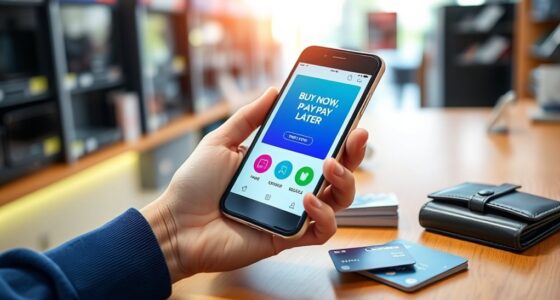

Choosing between cash and credit depends on your priorities. Cash offers simplicity, privacy, and no fees, making it great for in-person payments and sticking to a budget. Credit cards provide convenience, rewards, and help build your credit, but they can lead to overspending if not managed carefully. Understanding when each works best can improve your financial control. Keep exploring to discover how to make the right choice for your spending habits and security needs.
Key Takeaways
- Cash offers simple, immediate transactions without electronic vulnerabilities, ideal for small, in-person payments.
- Credit cards provide convenience, rewards, and help build credit but may involve interest and fees.
- Digital wallets enhance convenience and tracking but can increase overspending and security risks.
- Consider budget control: cash helps limit spending, while digital methods require mindful management.
- Choose based on transaction context, security preferences, and financial goals to find the most suitable payment method.

Amazon eGift Card - Amazon Logo - (Digital Delivery)
Amazon.com Gift Cards never expire and carry no fees.
As an affiliate, we earn on qualifying purchases.
Accessibility and Convenience
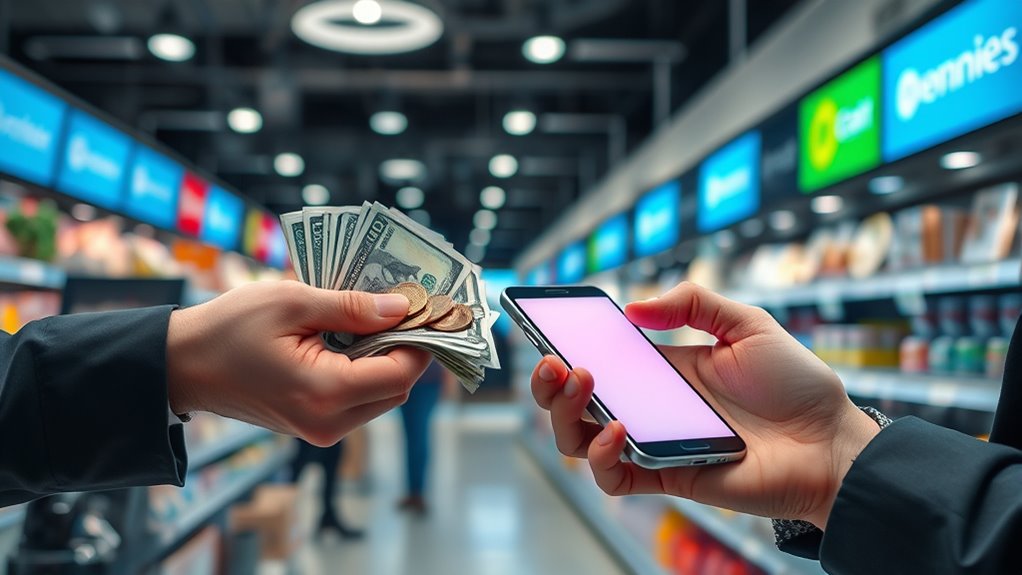
Cash is often seen as the easiest way to pay in person because you don’t need any special devices or accounts. However, digital wallets and contactless payments are gaining popularity for their convenience. With digital wallets, you can store multiple cards and make quick payments using your smartphone or smartwatch. Contactless payments allow you to tap your device or card, speeding up transactions and reducing the need for physical cash. These options are especially handy when you’re in a hurry or don’t want to carry cash. Plus, they work at many retailers, making your shopping experience smoother. Overall, digital wallets and contactless payments offer accessibility and convenience that cash alone can’t match, simplifying your payments and saving you time.

Amazon eGift Card - Happy Birthday
Amazon.com Gift Cards never expire and carry no fees.
As an affiliate, we earn on qualifying purchases.
Impact on Budgeting and Spending Habits

Digital wallets and contactless payments can substantially influence your budgeting and spending habits by making transactions quicker and more effortless. With digital wallets, it’s easy to overspend because you don’t see cash leaving your wallet or feel the immediate impact on your budget. Contactless options encourage frequent, small purchases since they’re fast and convenient, which can add up over time. Without physical cash, you might lose track of how much you’re spending, making it harder to stay within your budget. On the other hand, digital wallets can help you set spending limits or track your expenses automatically if you use the right apps. Overall, these technologies can reshape your spending patterns, so staying mindful of your habits is vital when using contactless options.

Amazon eGift Card - Sophisticated Balloons - (Digital Delivery)
Amazon.com Gift Cards do not expire and carry no fees.
As an affiliate, we earn on qualifying purchases.
Security and Fraud Risks
While contactless and digital payment methods offer convenience, they also introduce significant security and fraud risks that you should be aware of. Digital encryption helps protect your data, but breaches still happen, risking your financial info. If you’re not careful, you could become a victim of identity theft, which can be costly and time-consuming to resolve. Risks include unauthorized transactions, hacking, and data leaks that compromise your personal information. To reduce these threats, stay vigilant when using digital payments and monitor your accounts regularly. Being aware of potential vulnerabilities can help you stay protected and make smarter choices when selecting your payment method.
- Data breaches exposing sensitive info
- Unauthorized transactions due to hacking
- Phishing scams targeting payment details
- Identity theft from compromised accounts

Amazon eGift Card - Bright Balloons - (Digital Delivery)
Amazon.com Gift Cards never expire and carry no fees.
As an affiliate, we earn on qualifying purchases.
Cost Implications and Fees
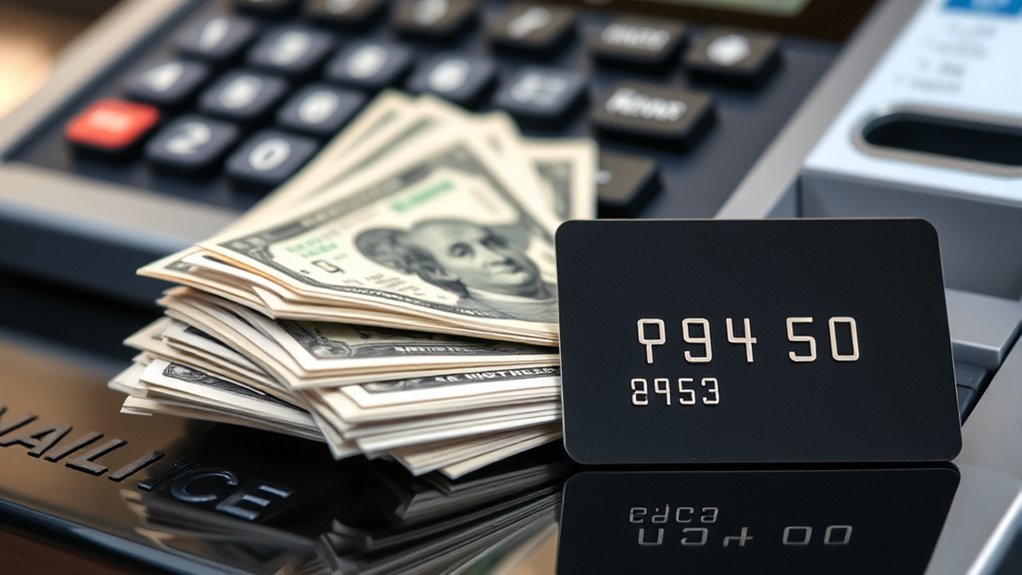
Understanding the cost differences between payment methods is essential for managing your expenses effectively. With cash, you typically avoid transaction fees and interest charges, making it a straightforward option. However, using credit cards often involves transaction fees that merchants may pass on to you, and interest rates can quickly add up if you carry a balance. If you pay your credit card balance in full each month, you avoid paying interest, but missing payments or carrying a balance results in higher costs. Additionally, some credit cards offer rewards or cashback, which can offset fees. Carefully reviewing your credit card’s interest rates and fee structure helps you make informed decisions, ensuring you choose the most cost-effective payment method for your specific needs.
Building Credit and Financial History
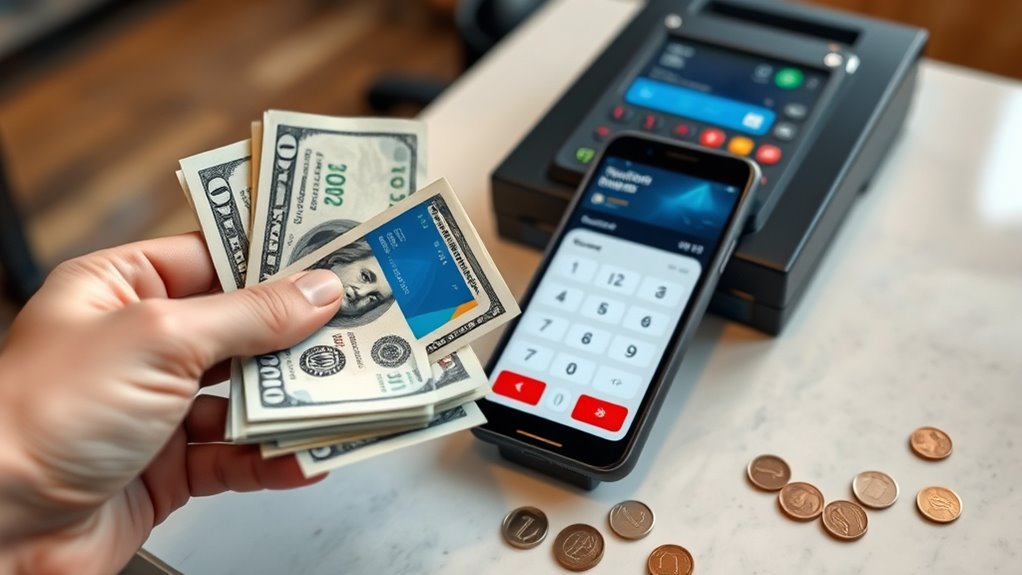
Building a good credit and strong financial history is essential for accessing better loan terms, lower interest rates, and more financial opportunities. Using digital banking and mobile payments regularly helps you demonstrate responsible financial behavior. Consistently paying bills on time, avoiding overdrafts, and managing your spending build your credit profile. Tracking your credit score and understanding your financial habits also play a vital role. By integrating these habits into your digital banking routines, you show lenders you’re reliable. Remember, every on-time payment, whether through mobile payments or digital transfers, adds to your positive credit history. Over time, this helps you qualify for larger loans, better credit cards, and favorable interest rates, opening more doors for your financial future.
Suitable Situations for Cash and Credit

Cash is ideal for small, in-person transactions where quick payments are needed, like grabbing a coffee. For larger online purchases, credit cards offer better protection and convenience. Knowing when to use each method can help you save time and avoid unnecessary hassle.
Small, In-Person Transactions
For small, in-person transactions, choosing between cash and credit depends on convenience and security. When paying at local markets or quick stops, cash often feels straightforward and anonymous. However, using mobile wallets and contactless payments makes transactions faster and eliminates the need to carry cash. These options are especially handy at coffee shops or vending machines. If you’re concerned about theft or losing cash, credit cards or contactless payments offer added security with fraud protection. On the other hand, cash can be more practical in areas with limited card acceptance. Consider your comfort with digital methods and the store’s payment options to decide whether cash or credit works best for each small, in-person purchase.
- Quick, no-fuss payments at local vendors
- Enhanced security with contactless options
- Digital wallets for speed and convenience
- Cash preferred in cash-only zones
2. Large, Online Purchases
When making large online purchases, choosing between cash and credit depends on factors like security, convenience, and your payment preferences. Using digital wallets can simplify transactions and offer added security, especially for big purchases. Credit cards provide better fraud protection and easier management of international payments, making them ideal for international online shopping. If you value quick, hassle-free payments, credit is often the better choice, as it also helps build your credit history. However, if you prefer avoiding debt and want more control over your spending, you might consider alternative methods like digital wallets that can be funded with cash or linked to your bank account. Ultimately, select the payment method that aligns with your security concerns and convenience needs for large online transactions.
Long-Term Financial Considerations

Choosing a payment method can considerably impact your long-term financial health. Using credit cards wisely can boost your investment growth through interest accumulation, but mismanaging them may lead to debt. Cash payments, on the other hand, help you stick to a budget and avoid high-interest costs. Your choice affects how quickly your savings grow and your ability to build credit. Consider these factors:
- How interest rates influence your debt over time
- Your capacity to save consistently
- The potential for rewards or cashback benefits
- The impact of timely payments on your credit score
Balancing these elements ensures your payment method supports your financial goals, whether that’s maximizing investment growth or maintaining debt-free stability. Making informed decisions now guarantees the foundation for your long-term financial success.
Frequently Asked Questions
How Do Cash and Credit Affect My Credit Score Differently?
Using credit impacts your credit score more directly because it affects your payment history and credit utilization. When you pay with cash, it doesn’t influence your score at all. Using credit responsibly, like making on-time payments and keeping your credit utilization low, boosts your score. Conversely, missed payments or high balances can damage it. Cash transactions leave no record, so they don’t help or hurt your credit.
Can Using Cash Help Me Avoid Debt Better Than Credit?
Using cash can help you avoid debt better than credit because it encourages cash budgeting, making it easier to stick to your spending limits. Since cash transactions don’t impact your credit utilization, you won’t risk overspending or damaging your credit score. You’re in control of your expenses, reducing the chance of accumulating debt, unlike credit cards, which can tempt you to spend beyond your means.
Are There Specific Scenarios Where One Payment Method Is Universally Better?
In certain scenarios, cash is better for avoiding debt, especially during emergencies, since you won’t rack up interest or overspend. On the other hand, credit can be advantageous when you want to earn rewards or build credit history. If you’re disciplined and can pay off bills promptly, credit’s benefits shine. However, for everyday purchases or emergencies, cash helps you stay in control and avoid unnecessary debt.
How Do Digital Wallets and Mobile Payments Compare to Cash and Credit?
Digital wallets and mobile payments make transactions faster and more convenient than cash or credit. You can use contactless payments for quick in-store buys, reducing the need for cash or card handling. Plus, they’re great for peer-to-peer transfers, allowing you to send money instantly to friends or family. These methods often offer added security features, like encryption, making them a safe and efficient alternative to traditional payment options.
What Are the Environmental Impacts of Choosing Cash Versus Credit Payments?
You might not realize it, but your choice of cash or credit impacts the environment. Cash production involves paper manufacturing, which consumes resources and generates waste, affecting recycling habits. Credit payments, on the other hand, reduce paper use but contribute to electronic waste and energy consumption from data centers. Both methods have environmental footprints, so choosing wisely can help you minimize your impact, whether by conserving paper or reducing electronic waste.
Conclusion
Choosing between cash and credit depends on your needs and habits. Remember, it’s all about finding the right balance—don’t put all your eggs in one basket. Use cash when you want control and simplicity, but don’t shy away from credit when building your future. By staying aware of security, costs, and your spending patterns, you can steer clear of trouble and keep your finances on track. It’s your call—make it wisely.