

You might find it intriguing that the cryptocurrency market is projected to grow by USD 39.75 billion between 2025 and 2029. This growth is fueled by increased investments in digital assets and advancements in artificial intelligence. As cryptocurrencies gain traction as a viable medium of exchange, it raises questions about the implications for traditional finance and what this means for future innovations in the sector. What could this transformation look like?

As the cryptocurrency market continues to evolve, it's clear that significant growth lies ahead. Between 2025 and 2029, experts predict an increase of USD 39.75 billion, fueled by rising investments in digital assets. This growth is expected to occur at a compound annual growth rate (CAGR) of 16.7%, highlighting the increasing acceptance of cryptocurrencies as both a medium of exchange and a reliable store of value.
You might find it interesting to note that advancements in AI and blockchain technology are enhancing market efficiency and security, making this an exciting time for investors. Additionally, the emergence of sophisticated payment infrastructure tokens is paving the way for major financial institutions to invest in digital payment solutions.
However, it's essential to recognize the challenges that come with this volatility in cryptocurrency values. While the market's potential is immense, price fluctuations can pose risks that need to be managed carefully.
North America leads the charge in the cryptocurrency landscape, with the U.S. holding the largest market share. You'll also see that Europe is becoming a lucrative market due to progressive regulatory frameworks like MiCA, which promote transparency and security.
In the Asia Pacific region, countries like South Korea and Japan are driving growth through cryptocurrency mining and innovative blockchain solutions. It's worth mentioning that Canada is emerging quickly, supported by a favorable regulatory environment, while the UK is also poised for rapid growth, thanks to increasing institutional interest in cryptocurrencies.
Technological advancements are at the heart of this expansion. Blockchain technology and smart contracts are creating new, sophisticated financial products and services. The rise of decentralized finance (DeFi) platforms is broadening the scope of cryptocurrency applications beyond mere transactions.
AI innovations are revolutionizing trading efficiency and risk management, while hardware advancements, like improved mining devices, play a crucial role in this market's growth.
Major players like Binance, Coinbase, and Ripple are leading the way, and the adoption of cryptocurrencies by well-known corporations like Tesla and MasterCard is further propelling market expansion.
You may also notice that retailers are increasingly accepting cryptocurrencies, boosting their everyday use. The emergence of NFTs and decentralized platforms is expanding the utility of cryptocurrencies into areas like gaming, digital art, and virtual real estate.
As regulatory frameworks continue to develop, they'll likely accommodate this growing market while addressing security concerns, making the next few years pivotal for anyone involved in the cryptocurrency space.
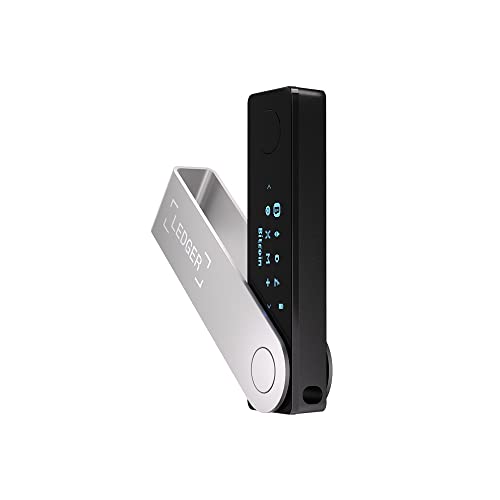
Ledger Nano X Crypto Wallet Signer – Securely Manage All Your Crypto Assets with This Bluetooth Enabled Classic – Onyx Black
Effortlessly build your crypto portfolio via the all in one Ledger Wallet app: buy, sell, send, receive, swap,…
As an affiliate, we earn on qualifying purchases.
As an affiliate, we earn on qualifying purchases.

8GPU Mining Rig Frame, Steel Open Air Miner Mining Computer Frame Rig Case for Crypto Coin Currency Bitcoin ETH ETC ZEC Mining Accessories Tools – Frame Only, Fans & GPU is not Included
6/8 SLOTS – Support to 6/8 GPU . (GPU is not included).
As an affiliate, we earn on qualifying purchases.
As an affiliate, we earn on qualifying purchases.

The Legal Wellness Kit: 7 Essential Tools to Sue-Proof Your Business
As an affiliate, we earn on qualifying purchases.
As an affiliate, we earn on qualifying purchases.

Canvia Smart Digital Canvas Display and Frame – for Fine Painting, Wall Art, NFTs, Personal Photos & Videos – Advanced HD Display, NFT Compatibility, Video Playback, Google Photos, 16GB Storage
Realistic Art For Your Wall – Utilizing our patented ArtSense technology, the Canvia smart digital art frame displays…
As an affiliate, we earn on qualifying purchases.
As an affiliate, we earn on qualifying purchases.