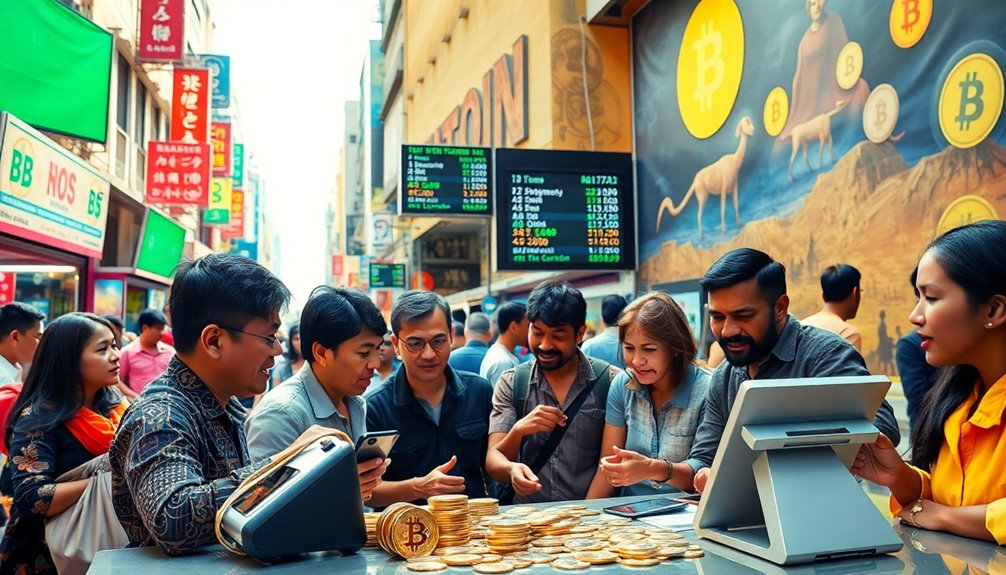

You might find it intriguing that Bitwise anticipates a Bitcoin market increasingly defined by those ready to sell. With a significant portion of Bitcoin already in private hands and limited supply remaining, the dynamics of scarcity could reshape price movements. As institutional interest ramps up, the behavior of sellers becomes crucial. What implications will this have for investors and advisors navigating this changing landscape? The answers might surprise you.

As Bitcoin gains traction in the financial world, understanding its ownership dynamics and market trends becomes crucial for anyone interested in the cryptocurrency space. You'll find that a staggering 69.4% of Bitcoin supply is held by individuals, which illustrates the decentralized nature of this digital asset. While investment funds and businesses account for 6.1% and 4.4% respectively, government holdings are minimal at just 1.4%. This distribution hints at a market landscape where individual investors play a significant role, making it essential for you to keep an eye on their movements. Individuals hold 69.4% of Bitcoin supply emphasizes the importance of monitoring their actions closely.
With only 5.7% of Bitcoin left to be mined, we're facing a potential supply shock that could reshape the market. As institutional interest grows, particularly from firms like BlackRock, the pressure on the remaining Bitcoin supply takes center stage. If these institutions start buying from exchanges, it could create a surge in prices due to the tightening supply and escalating demand. You might want to consider how these dynamics could influence your investment strategy moving forward.
Mainstream adoption is another critical trend worth noting. Predictions suggest that Bitcoin could reach several billion users by 2030, which would dramatically alter the landscape of cryptocurrency ownership. The narrative surrounding scarcity, combined with increasing demand, is likely to drive Bitcoin's price higher. As you analyze your options in this evolving market, being aware of these trends will help you navigate potential risks and opportunities.
The recent regulatory shifts in the U.S. add another layer of complexity. The approval of spot Bitcoin and Ethereum ETFs signifies a growing acceptance of cryptocurrencies among mainstream financial avenues. With over 250 pro-crypto candidates elected in the U.S. during Q4 2024, it's clear that the political climate is becoming more favorable for crypto investments.
These developments have led to increased enthusiasm among financial advisors, with a significant rise in crypto allocations and client inquiries. However, despite the growing interest, two-thirds of advisors still face barriers to accessing crypto for their clients. This situation creates a potential market where Bitcoin is purchased from those willing to sell, influencing both price and availability.
As you explore this fascinating landscape, staying informed about ownership dynamics, market trends, and regulatory changes will empower you to make well-informed decisions in the Bitcoin market.

Bitkey Bitcoin Hardware Wallet – The Most Secure Way to Buy, Store and Manage Bitcoin
- Bitcoin Exclusive Design: Dedicated hardware wallet for Bitcoin
- All-in-One Management: Compare prices, send, receive, and track wallet
- Enhanced Security: Three-key approach simplifies self-custody
As an affiliate, we earn on qualifying purchases.
As an affiliate, we earn on qualifying purchases.

Cryptocurrency Investing For Dummies (For Dummies (Business & Personal Finance))
As an affiliate, we earn on qualifying purchases.
As an affiliate, we earn on qualifying purchases.

Cryptoassets: The Innovative Investor's Guide to Bitcoin and Beyond
As an affiliate, we earn on qualifying purchases.
As an affiliate, we earn on qualifying purchases.
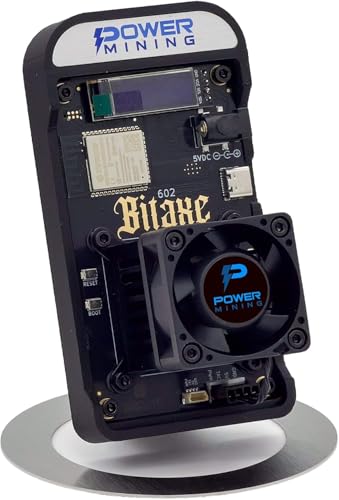
POWER MINING Bitaxe Gamma 602 ASIC Bitcoin Miner | 1.1 TH/s @ 18W | BM1370 Chip (Antminer S21 Pro) | Wi-Fi | USB-C | AxeOS | Open Source | Made in Europe | Incl. Power Supply & Stand
- Hashrate: 1.1 TH/s at 18W power
- Made in Europe: European design and manufacturing
- ASIC Chip: BM1370 chip from Antminer S21 Pro
As an affiliate, we earn on qualifying purchases.
As an affiliate, we earn on qualifying purchases.