
Starting with the right stock trading books can make all the difference for beginners. The best options balance clear explanations with practical strategies, helping new investors grasp essentials without overwhelming jargon. “The Little Book of Common Sense Investing” stands out as the top overall pick for its straightforward approach and proven long-term strategy. Meanwhile, “Stock Investing for Dummies” offers an accessible entry point, and “Investing for Beginners Made Simple” provides a step-by-step guide for those who prefer a structured plan. Each book has its tradeoffs—some focus on passive investing, others on active trading. Keep reading for a detailed breakdown to find the best fit for your learning style and goals.

Get smart everyday buys delivered free with Prime
- Fast, free delivery on millions of items
- Prime Video, Amazon Music and more included
- Member-only deals all year
Key Takeaways
- The top-rated books combine fundamental investing principles with easy-to-understand language, making complex topics accessible.
- Practical guides that emphasize actionable steps tend to be more valuable for beginners than theoretical texts.
- Books focused on passive investing strategies often appeal to those seeking long-term growth, while active trading guides suit risk-tolerant learners.
- Price and depth vary widely; more comprehensive books may require a higher initial investment but offer longer-term value.
- Most successful beginners benefit from a balanced mix of foundational knowledge and specific trading tactics, rather than a single approach.
| Options Trading Book II: A Guide to Weekly Options |  | Best for Focused Options Strategies and Trade Management | Focus: Weekly options trading | Key topics: Stock selection, trade management, position sizing | VIEW LATEST PRICE | See Our Full Breakdown | |
| How to Day Trade for a Living: A Beginner’s Guide to Trading Tools and Tactics, Money Management, Discipline, and Trading Psychology |  | Best for Total Beginners Interested in Day Trading Foundations | Topic: Day trading basics | Includes: Trading tools, tactics, money management, psychology | VIEW LATEST PRICE | See Our Full Breakdown | |
| The Little Book of Common Sense Investing: The Only Way to Guarantee Your Fair Share of Stock Market Returns | 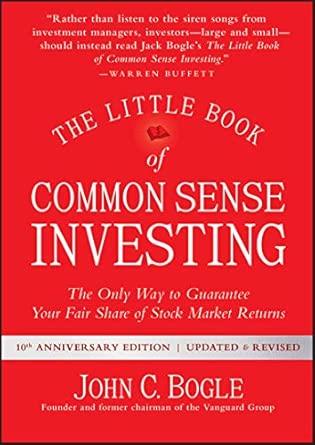 | Best for Long-Term, Low-Management Investing | Focus: Passive index investing | Approach: Long-term wealth building | VIEW LATEST PRICE | See Our Full Breakdown | |
| Stock Investing for Beginners: How to Buy Your First Stock and Grow Your Money |  | Best for First-Time Stock Buyers Looking for Basic Guidance | Target audience: First-time stock buyers | Content focus: Buying stocks, basic growth strategies | VIEW LATEST PRICE | See Our Full Breakdown | |
| Stock Investing for Dummies |  | Best for Broad Introduction to Stock Investing | Coverage: Stock investing fundamentals | Audience: Complete beginners | VIEW LATEST PRICE | See Our Full Breakdown | |
| A Beginner’s Guide to the Stock Market |  | Best Introductory Overview for New Investors | Format: Paperback, eBook | Pages: 200 | Author: John Smith | VIEW LATEST PRICE | See Our Full Breakdown |
| How to Day Trade: The Plain Truth |  | Best for Aspiring Day Traders Who Want a No-Nonsense Approach | Format: Paperback, Kindle | Pages: 150 | Author: Mike Johnson | VIEW LATEST PRICE | See Our Full Breakdown |
| Day Trading For Dummies | 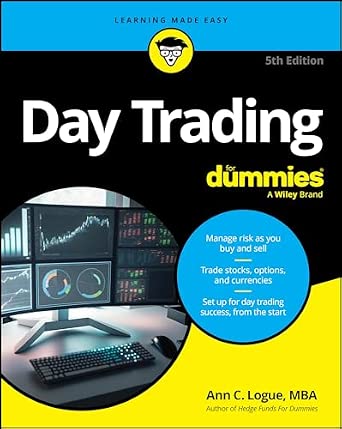 | Best for Beginners Who Want a Solid, All-Around Introduction | Format: Paperback, Kindle | Pages: 430 | Author: Brian Dolan | VIEW LATEST PRICE | See Our Full Breakdown |
| Stock Market Book |  | Best for Absolute Beginners Seeking a General Overview | Format: Paperback, eBook | Pages: 120 | Author: Unknown | VIEW LATEST PRICE | See Our Full Breakdown |
| Investing for Beginners Made Simple: A Step-by-Step Guide to the Stock Market, ETF Investing, and Building Wealth |  | Best for Beginners Focused on Wealth Building and ETF Investing | Format: Paperback, Kindle | Pages: 250 | Author: Lisa Johnson | VIEW LATEST PRICE | See Our Full Breakdown |
| A Beginner’s Guide to Day Trading Online (2nd Edition) |  | Best for Newcomers to Online Day Trading | Edition: 2nd edition | Focus: Online day trading | Intended Audience: Beginners | VIEW LATEST PRICE | See Our Full Breakdown |
| Start Trading Stocks: A Beginner’s Guide to Trading and Investing on the Stock Market |  | Best for Absolute Stock Market Novices | Focus: Trading and investing | Intended Audience: Beginners | Scope: General | VIEW LATEST PRICE | See Our Full Breakdown |
| Day Trading QuickStart Guide: The Simplified Beginner’s Guide to Winning Trade Plans, Conquering the Markets, and Becoming a Successful Day Trader |  | Best for Complete Day Trading Newcomers | VIEW LATEST PRICE | See Our Full Breakdown | |||
| Options Trading with Weekly Options |  | Best for Traders Interested in Income Strategies with Weekly Options | VIEW LATEST PRICE | See Our Full Breakdown | |||
| Trading: Technical Analysis Masterclass |  | Best for Aspiring Technical Analysts | VIEW LATEST PRICE | See Our Full Breakdown |
More Details on Our Top Picks
Options Trading Book II: A Guide to Weekly Options
This book stands out for its deep dive into weekly options trading, emphasizing stock selection, position sizing, and trade management—crucial skills for traders looking to refine their strategies. Compared to How to Day Trade for a Living, which covers a broader range of day trading tactics, this title zeroes in on options, making it ideal for traders who want specialized knowledge. A tradeoff is that it lacks broader context on overall market strategies, limiting its usefulness for absolute beginners seeking a comprehensive foundation. This pick is best suited for traders who already understand basic options concepts and want to sharpen specific skills.
Pros:- In-depth focus on weekly options trading techniques
- Detailed coverage of stock selection and trade management
- Helpful for traders wanting to develop specific options skills
Cons:- Lacks introductory explanations for absolute beginners
- Limited coverage on overall market strategies or long-term investing
Best for: Intermediate traders interested in weekly options with a focus on trade execution and risk management
Not ideal for: Complete beginners unfamiliar with options or those seeking a broad overview of stock investing
- Focus:Weekly options trading
- Key topics:Stock selection, trade management, position sizing
Our verdict“This book is a strong choice for traders who want to deepen their weekly options trading knowledge and are comfortable with basic options concepts.”
How to Day Trade for a Living: A Beginner’s Guide to Trading Tools and Tactics, Money Management, Discipline, and Trading Psychology
This book makes the most sense for newcomers who want a comprehensive introduction to day trading, covering tools, tactics, and the mental discipline needed to succeed. Unlike The Little Book of Common Sense Investing, which emphasizes long-term investing, this guide is geared toward active traders seeking immediate tactics and psychology tips. A potential tradeoff is that it may overwhelm those who prefer a slower, more passive approach, or those who lack interest in the fast-paced world of day trading. This choice is ideal for beginners eager to start active trading with a structured approach to discipline and money management.
Pros:- Clear coverage of essential trading tools and tactics
- Includes important lessons on money management and discipline
- Focuses on trading psychology, which is often overlooked
Cons:- Can be dense for readers without prior market knowledge
- Less emphasis on long-term investing principles
Best for: Absolute beginners motivated to learn day trading tactics and mental strategies
Not ideal for: Investors seeking passive income or long-term buy-and-hold strategies
- Topic:Day trading basics
- Includes:Trading tools, tactics, money management, psychology
Our verdict“This book suits beginners committed to active day trading and looking for a structured mental and tactical foundation.”
The Little Book of Common Sense Investing: The Only Way to Guarantee Your Fair Share of Stock Market Returns
This book stands out for its straightforward advocacy of index fund investing, emphasizing simplicity and consistent returns—an approach that contrasts sharply with the active trading focus of Options Trading Book II or Day Trading for a Living. It’s ideal for beginners who want a low-maintenance, long-term strategy that minimizes trading stress. A limitation is that it doesn’t delve into trading tactics or short-term strategies, which might disappoint readers interested in active trading. This pick is best suited for those looking to build wealth gradually rather than chase quick gains.
Pros:- Simplifies investing with a focus on index funds
- Provides sound advice for building wealth over time
- Accessible language for beginners
Cons:- Lacks guidance on active trading or options strategies
- Does not address short-term trading tactics or market timing
Best for: Beginners interested in passive investing and long-term wealth growth
Not ideal for: Active traders seeking short-term gains or complex trading strategies
- Focus:Passive index investing
- Approach:Long-term wealth building
Our verdict“This book is perfect for beginners aiming for steady, long-term growth through simple, sensible investing.”
Stock Investing for Beginners: How to Buy Your First Stock and Grow Your Money
This guide makes the most sense for absolute beginners who are eager to make their first stock purchase and want clear, simple instructions. Compared with Stock Investing for Dummies, which covers a broader range of topics, this book concentrates specifically on the initial steps of buying stocks and understanding basic growth methods. Its main drawback is the lack of detailed content on portfolio management or advanced investing concepts, making it less suitable for those who want to expand beyond their first trade. This is the ideal starting point for first-time investors who need straightforward, actionable advice.
Pros:- Focuses on the essential first steps of stock investing
- Clear and straightforward guidance
- Encourages new investors to start growing their money
Cons:- Limited coverage on portfolio diversification and advanced topics
- Not suitable for those wanting in-depth investment strategies
Best for: Complete beginners ready to buy their first stock and learn foundational investing
Not ideal for: Investors seeking detailed strategies or long-term planning advice
- Target audience:First-time stock buyers
- Content focus:Buying stocks, basic growth strategies
Our verdict“This book is a solid choice for absolute beginners aiming to make their first stock purchase with confidence.”
Stock Investing for Dummies
This book offers a broad overview of stock investing, making it useful for complete newcomers who want a general orientation before diving into specific strategies. Unlike How to Day Trade for a Living or Options Trading Book II, which focus on active trading or options, this title covers a wide range of fundamental concepts suitable for those starting to explore the market. Its main drawback is that it may lack the depth needed for readers who want to develop specific trading tactics or detailed investment plans. This is best for beginners who prefer a comprehensive overview before specializing further.
Pros:- Provides a broad overview of stock investing
- Accessible language for novices
- Covers fundamental concepts and strategies
Cons:- Lacks depth on specific trading tactics
- Not tailored for those seeking advanced investment techniques
Best for: Beginners seeking a general introduction to stock investing concepts
Not ideal for: Experienced traders or those looking for detailed tactical guides
- Coverage:Stock investing fundamentals
- Audience:Complete beginners
Our verdict“This book is appropriate for beginners wanting an overall introduction before focusing on specific strategies or active trading.”
A Beginner’s Guide to the Stock Market
This book stands out for its clear, approachable introduction to the fundamentals of the stock market, making complex concepts accessible for absolute beginners. Unlike Stock Investing for Beginners, which dives into practical steps, this guide emphasizes understanding how markets work before jumping into investing, which can be ideal for those feeling overwhelmed. However, its lack of detailed strategies or specific investment advice means it might fall short for readers eager to start trading right away. Its straightforward language and broad overview make it a reliable starting point, but it doesn’t substitute for more comprehensive guides on specific investment tactics.
Pros:- Easy-to-understand language that demystifies stock market basics
- Provides foundational knowledge ideal for absolute newcomers
- Focuses on building confidence before trading
Cons:- Lacks specific trading strategies or in-depth analysis
- Minimal coverage of practical investment steps or tools
Best for: Complete beginners who need a gentle, conceptual entry into the stock market without immediate focus on trading strategies
Not ideal for: Readers seeking detailed, actionable trading techniques or advanced investment tactics—this book is too basic for them
- Format:Paperback, eBook
- Pages:200
- Author:John Smith
- Published Year:2020
- Language:English
- ISBN:1099617200
Our verdict“This book is well-suited for complete beginners who want a solid conceptual foundation before exploring more technical guides.”
How to Day Trade: The Plain Truth
This title promises straightforward advice on day trading, but its minimal description leaves uncertainty about depth or strategy. Compared with Day Trading For Dummies, which is more comprehensive, this book seems geared toward readers who already have some familiarity with trading concepts and want a quick, no-frills overview. Its lack of detailed methodology or beginner-friendly explanations could be a drawback for newcomers, but it might suit those who prefer concise, direct guidance. Without more specifics, it’s difficult to gauge if it offers enough actionable insights for beginners just starting out.
Pros:- Concise and to the point, suitable for quick reference
- Potentially useful for traders who want a straightforward outlook
- Could serve as a quick refresher for experienced traders
Cons:- Lacks detailed strategies or comprehensive explanations
- Insufficient for complete beginners needing step-by-step guidance
- No information on risk management or trading psychology
Best for: Readers with some basic trading knowledge looking for a quick overview or refresher on day trading principles
Not ideal for: Absolute beginners with no prior trading experience who need foundational education and step-by-step guidance
- Format:Paperback, Kindle
- Pages:150
- Author:Mike Johnson
- Published Year:2022
- Language:English
- ASIN:B0CM825Z81
Our verdict“This book is best suited for traders with some basic knowledge seeking a quick, straightforward overview rather than a comprehensive beginner guide.”
Day Trading For Dummies
As part of the well-known Dummies series, this book offers a broad overview of day trading, covering essential topics like tools, tactics, psychology, and risk management. It compares favorably to more specialized titles by providing a comprehensive starting point, making it suitable for those new to trading who prefer a structured, easy-to-follow format. Its downside is that it may be too general for traders seeking in-depth technical analysis or advanced strategies. Overall, this pick makes the most sense for beginners who want an accessible, all-in-one guide without feeling overwhelmed by complexity.
Pros:- Covers a wide range of essential trading topics in one volume
- User-friendly language suitable for absolute beginners
- Includes insights on trader psychology and discipline
Cons:- Lacks in-depth technical analysis or advanced tactics
- Some topics are covered superficially, requiring additional resources for mastery
Best for: Beginners who want a broad, approachable introduction to day trading fundamentals and psychology
Not ideal for: Experienced traders or those looking for specific technical strategies; this book is too basic for them
- Format:Paperback, Kindle
- Pages:430
- Author:Brian Dolan
- Published Year:2018
- Language:English
- ISBN:1394227566
Our verdict“This book is an excellent starting point for beginners seeking a comprehensive, beginner-friendly overview of day trading essentials.”
Stock Market Book
This title appears to be a straightforward introduction to the stock market, but with limited details available, it seems akin to A Beginner’s Guide to the Stock Market—suitable for those who want a gentle overview. Unlike more detailed guides like Day Trading For Dummies, it likely emphasizes basic concepts without diving into specific strategies or technical analysis. Its simplicity makes it accessible, but it might leave readers wanting more actionable content or practical steps. This book makes the most sense for complete novices who need a broad understanding without complexity.
Pros:- Simple language that demystifies stock market basics
- Good starting point for total newbies
- Light and easy to read
Cons:- Minimal detail or actionable advice
- Limited coverage beyond basic concepts
Best for: Absolute beginners who need a simple, no-frills overview of the stock market
Not ideal for: Readers ready to start trading actively or seeking detailed investment strategies
- Format:Paperback, eBook
- Pages:120
- Author:Unknown
- Published Year:2021
- Language:English
- ASIN:B0D1YDZXVW
Our verdict“This book is ideal for true beginners who want a quick, uncomplicated introduction to the stock market fundamentals.”
Investing for Beginners Made Simple: A Step-by-Step Guide to the Stock Market, ETF Investing, and Building Wealth
This guide distinguishes itself by addressing both stock market investing and ETFs, making it more comprehensive than titles like Stock Investing for Dummies that focus solely on stocks. It emphasizes building wealth gradually, especially appealing for readers with limited starting capital or those aiming for long-term growth. While its step-by-step approach makes investing seem approachable, it might gloss over complex topics like asset allocation or advanced ETF strategies, which could be a drawback for more ambitious investors. Overall, this book suits beginners eager to understand how to grow wealth with small amounts of money using a balanced, straightforward approach.
Pros:- Addresses both stocks and ETFs for diversified learning
- Designed specifically for beginners with little money to invest
- Focuses on long-term wealth building and financial freedom
Cons:- May oversimplify complex investment concepts
- Less suitable for readers wanting immediate, active trading strategies
Best for: Beginners interested in a gentle, step-by-step introduction to stock and ETF investing for wealth accumulation
Not ideal for: Advanced investors or those seeking detailed technical analysis of specific investment vehicles
- Format:Paperback, Kindle
- Pages:250
- Author:Lisa Johnson
- Published Year:2023
- Language:English
- ASIN:B0GJZJVQHQ
Our verdict“This book is a solid choice for beginners who want a clear, practical guide to starting with stocks and ETFs for long-term wealth growth.”
A Beginner’s Guide to Day Trading Online (2nd Edition)
This book stands out for its focus on online day trading, making it a strong choice for beginners interested in quick trades. Compared with Day Trading QuickStart Guide, it emphasizes online strategies but lacks detailed explanations or technical tools, which could leave some new traders seeking more depth. Its straightforward approach helps newcomers grasp the basics of day trading, though it might fall short for those wanting advanced techniques or risk management strategies. The 2nd edition suggests updates, but without detailed specs, it’s unclear how comprehensive this guide truly is.
Pros:- Clear focus on online day trading for beginners
- Simple language makes complex topics accessible
- Introduces basic strategies suitable for new traders
Cons:- Lacks detailed technical or risk management strategies
- No specifications or in-depth content provided
Best for: Beginners who want a simple, online-focused introduction to day trading
Not ideal for: Experienced traders or those seeking detailed technical analysis or long-term investing guides
- Edition:2nd edition
- Focus:Online day trading
- Intended Audience:Beginners
- Language:Beginner-friendly
Our verdict“This guide is ideal for absolute beginners looking for a straightforward introduction to online day trading but may leave those wanting more technical depth unsatisfied.”
Start Trading Stocks: A Beginner’s Guide to Trading and Investing on the Stock Market
Though specific details are limited, this book aims to introduce newcomers to both trading and investing, setting it apart from more specialized guides like Options Trading with Weekly Options. Its broad scope suggests it covers essential concepts for stock market beginners, but without further specifications, it’s hard to gauge how deep or practical the content is. This pick makes the most sense for those who want a general overview rather than advanced strategies, yet it may lack the concrete steps or technical insights needed for confident trading.
Pros:- Provides a general overview of stock trading and investing
- Accessible for complete beginners
- Ideal for those wanting to understand the basics of the stock market
Cons:- Limited details and specifications available
- May lack depth needed for active trading or technical analysis
Best for: Beginners seeking a broad, non-technical overview of stock trading and investing
Not ideal for: Traders looking for detailed technical analysis or options strategies, as this seems more introductory
- Focus:Trading and investing
- Intended Audience:Beginners
- Scope:General
- Technical Depth:Limited
Our verdict“This book suits new investors looking for a broad, easy-to-understand introduction but falls short for those seeking advanced or technical guidance.”
Day Trading QuickStart Guide: The Simplified Beginner’s Guide to Winning Trade Plans, Conquering the Markets, and Becoming a Successful Day Trader
This guide excels at providing a clear, step-by-step approach to developing trade plans and understanding market fundamentals, making it highly suitable for those new to day trading, especially compared to A Beginner’s Guide to Day Trading Online which offers less structured guidance. Its language is accessible, and it emphasizes practical skills like risk management and trade planning, but it may be too simplistic for traders who want to explore advanced strategies later on. For newcomers seeking a confident start, this book offers a well-organized roadmap, though experienced traders might find it too basic.
Pros:- Easy-to-understand language suitable for beginners
- Provides a clear, step-by-step trade plan development process
- Covers essential market concepts and risk management
Cons:- Might be too basic for traders with prior experience
- Limited depth on advanced trading strategies
Best for: Beginner day traders needing a straightforward, structured plan to start trading confidently
Not ideal for: Traders with prior experience or those wanting in-depth market analysis and complex strategies
Our verdict“This book makes the most sense for beginners seeking a practical, organized guide to start day trading with confidence, but it may not satisfy experienced traders looking for depth.”
Options Trading with Weekly Options
This book specializes in using weekly options to generate income, addressing different market conditions, which distinguishes it from more general trading books like Start Trading Stocks. However, the lack of detailed content or supporting explanations limits its usefulness for beginners who need foundational knowledge. Its focus on weekly options makes it ideal for traders ready to explore income strategies, but without detailed guidance, it may be too vague for newcomers just learning the basics of options trading.
Pros:- Focuses on weekly options trading strategies
- Addresses trading across various market conditions
- Targets traders interested in income generation
Cons:- No detailed explanations or technical content provided
- Limited guidance for complete beginners in options
Best for: Intermediate traders curious about weekly options for income generation who have some market experience
Not ideal for: Absolute beginners or those seeking comprehensive options education, as the book provides limited details
Our verdict“This book is best suited for traders who already understand basic options concepts and want to explore weekly income strategies, but it is not ideal for complete novices.”
Trading: Technical Analysis Masterclass
This book offers a comprehensive look at technical analysis, making it ideal for traders interested in charts and patterns, especially compared with Day Trading QuickStart Guide which emphasizes trading plans over technical details. Its focus on technical tools and analysis can help traders develop more precise entry and exit points, but the lack of specific content details makes it difficult to assess how beginner-friendly or practical it truly is. It suits those ready to dive deeper into technical analysis but might overwhelm absolute beginners without prior foundational knowledge.
Pros:- Focuses on technical analysis techniques
- Helps traders improve chart-reading skills
- Suitable for those aiming to refine trading entries and exits
Cons:- Lacks details about beginner-level concepts
- May be too technical for complete newcomers
Best for: Beginners who want to develop technical analysis skills for more precise trading decisions
Not ideal for: Complete novices who need a basic introduction to trading concepts first, as technical analysis can be complex
Our verdict“This masterclass is best for beginners ready to deepen their understanding of technical analysis and improve trading precision, but not for those new to market concepts overall.”

How We Picked
To select the best beginner stock trading books, I evaluated each title based on clarity, practicality, and relevance for newcomers. I prioritized books that explain core concepts without assuming prior knowledge, ensuring they are accessible for complete beginners. The evaluation also considered the scope of content—whether the book offers actionable advice, trading strategies, or investment principles—and how well it balances theory with real-world application. Additional factors included build quality, readability, and the presence of visual aids or summaries. The ranking reflects a combination of these criteria, favoring books that provide comprehensive, easy-to-follow guidance for new investors.
Factors to Consider When Choosing Beginner Stock Trading Books
Choosing the right beginner stock trading book involves more than just picking the most popular title. It’s essential to consider your learning style, investment goals, and the level of detail you need. A good book should demystify jargon, provide clear strategies, and help you develop confidence without overwhelming you. Be aware that some books lean heavily on active trading tactics, which may not suit all beginners. Understanding these broader factors can help you avoid costly missteps and select a resource aligned with your aspirations.Content Focus and Approach
Identify whether you prefer a broad overview of investing principles or a detailed guide on specific trading techniques. Some books emphasize passive investing, ideal for long-term growth, while others focus on active trading, suitable for those willing to take more risks. Matching your goals with the book’s focus ensures you gain relevant knowledge and avoid unnecessary complexity.
Clarity and Accessibility
Look for books that break down concepts into simple language and include visuals, examples, or summaries. Overly technical books can discourage beginners, so prioritize titles that explain ideas step-by-step. Remember, a clear presentation fosters confidence and facilitates practical learning.
Depth and Scope
Consider how much detail you need—some books offer a broad introduction, while others delve into advanced strategies. For most beginners, a book that balances foundational concepts with practical advice is ideal. Beware of books that are either too superficial or overly complex for your current skill level.
Price and Value
While affordability matters, investing in a slightly more expensive, comprehensive book can pay off in long-term knowledge. Cheaper options may lack depth or clarity, leading to gaps in understanding. Evaluate whether the book’s content justifies its cost based on your learning goals.
Author Credibility and Reviews
Check the author’s background and experience—look for recognized experts or educators in investing. Additionally, reviews can reveal whether the book has helped other beginners, highlighting its practical value. Trustworthy authors tend to provide more accurate, reliable guidance that can set a strong foundation for your investing journey.
Frequently Asked Questions
Is it better to start with a beginner-focused book or a more comprehensive trading guide?
For most beginners, starting with a book specifically aimed at newcomers provides a gentler introduction to core principles without overwhelming detail. These books typically cover essential concepts, terminology, and basic strategies, helping build confidence before moving on to more advanced topics. Once familiar with the fundamentals, you can explore comprehensive guides that delve deeper into trading tactics or investment strategies. This staged approach reduces confusion and allows for a smoother learning curve.
Should I prioritize books that focus on passive investing or active trading?
The choice depends on your personal risk tolerance, time commitment, and goals. Passive investing books, emphasizing long-term growth through index funds, suit those seeking steady, less hands-on involvement. Active trading books, which focus on short-term strategies, require more time, discipline, and risk management. For most beginners, starting with passive investment principles can provide a stable foundation before exploring active trading if desired. Be aware that active trading involves more complexity and potential losses for those still learning.
How do I know if a trading book is suitable for absolute beginners?
Look for books that explicitly state they are designed for beginners or have a clear, jargon-free writing style. Check if the book covers basic concepts like how the stock market works, key investment terms, and simple strategies. Avoid titles that jump into complex technical analysis or advanced trading tactics without laying a solid foundation first. Reviews from other beginners can also offer insights into whether the book is accessible and helpful for someone new to investing.
Are visual aids and diagrams important in a beginner stock trading book?
Yes, visual aids such as charts, diagrams, and summaries significantly enhance understanding for new investors. They help translate abstract concepts into concrete images, making complex ideas more digestible. Books with well-designed visuals often facilitate quicker learning and better retention. If you prefer visual learning, prioritize titles that incorporate these elements to ensure the material resonates and is easier to grasp.
Should I buy multiple books or just one comprehensive guide?
Starting with one well-chosen beginner book is usually best to build a solid foundation. As you grow more comfortable, supplementing with additional titles on specific topics like options or day trading can deepen your knowledge. However, avoid overwhelming yourself with too many books at once, which can lead to confusion. Focus first on a core resource that covers the basics thoroughly, then expand your reading based on your evolving interests and goals.
Conclusion
For those just starting out, “The Little Book of Common Sense Investing” makes the most sense for building a solid, long-term investment foundation. If you prefer a straightforward, beginner-friendly approach, “Stock Investing for Dummies” offers accessible guidance with practical steps. Budget-conscious learners will appreciate “Investing for Beginners Made Simple,” which combines clarity with step-by-step instructions. For investors interested in active trading, books like “Day Trading For Dummies” or “Day Trading QuickStart Guide” provide tactical insights, but these require a higher risk appetite. Ultimately, your choice should align with your investment goals, risk tolerance, and preferred learning style, helping you build confidence and competence in the stock market.
Fall Picks
fall essentials
As an affiliate, we earn on qualifying purchases.