

If you’re starting late in your 50s, begin by evaluating your current finances, including income, debts, and savings, then set clear, realistic goals. Create a practical budget, cut unnecessary expenses, and focus on paying down high-interest debt. Maximize retirement accounts like IRAs or 401(k)s and consider diversifying investments suitable for your age. Protect your assets with insurance, develop a sustainable income plan, and track your progress closely. Keep moving forward—you’ll discover how to turn your financial situation around in this stage.
Key Takeaways
- Assess your current financial situation, including income, expenses, debts, and savings, to identify gaps and set realistic goals.
- Maximize retirement contributions, including catch-up options if over 50, and diversify investments for growth and stability.
- Develop a focused debt repayment plan, prioritizing high-interest debt and building an emergency fund for financial security.
- Optimize income streams by balancing Social Security, pensions, savings, and part-time work to create a sustainable retirement plan.
- Regularly review and adjust your retirement strategy, track progress, and seek professional advice to stay motivated and on target.

EQUIK PRODUCTS Funny Gifts for Retirees | Fake Passport to Start a New Life | Guest Book, Party Decorations, Signature Book | Farewell Gifts for Coworker, Colleague | Humorous Card for Retirement
Retirement gift: This funny retirement gift consists of a fake passport to be filled in by all the…
As an affiliate, we earn on qualifying purchases.
As an affiliate, we earn on qualifying purchases.
Assessing Your Current Financial Situation

Understanding your current financial situation is the essential first step in late-starting financial planning. To do this effectively, you need to evaluate your income, expenses, debts, and savings. Improving your financial literacy helps you make informed decisions about retirement planning and identify where to cut costs or increase contributions. Take stock of your retirement accounts, if any, and note how much you’ve accumulated so far. Knowing your net worth provides a clear picture of your financial health. This assessment will highlight gaps and priorities, guiding your next steps. Remember, late starters can still build a solid future with awareness and strategic actions. Being honest about your finances now allows you to create realistic goals and a plan to maximize your savings potential.

High-Yield Savings Accounts vs. Stocks: What Should You Do Right Now
As an affiliate, we earn on qualifying purchases.
As an affiliate, we earn on qualifying purchases.
Setting Realistic Savings Goals

How can you set achievable savings goals when starting late? First, understand your financial literacy level to identify gaps. Focus on building an emergency fund to cover unexpected expenses, which is vital at this stage. Set clear, measurable goals based on your income and timeline. Use the table below to clarify your targets:
| Goal Type | Target Amount | Timeline |
|---|---|---|
| Emergency Fund | $10,000 | 3 years |
| Retirement Savings | $200,000 | 15 years |
| Debt Repayment | $15,000 | 2 years |
| Short-term Savings | $5,000 | 1 year |

The Catch-Up Strategy: How to Supercharge Retirement Savings After 50 (The Smart Series)
As an affiliate, we earn on qualifying purchases.
As an affiliate, we earn on qualifying purchases.
Creating a Practical Budget and Cutting Unnecessary Expenses

To create a realistic budget, start by tracking your spending habits to see where your money goes. Once you understand your expenses, identify areas where you can cut costs without sacrificing too much. This approach helps you save more effectively and stay on track toward your financial goals.
Track Spending Habits
Tracking your spending habits is the first step toward creating a practical budget and cutting unnecessary expenses. By performing a spending analysis, you gain clear insight into where your money goes each month. Budget tracking helps you identify patterns and pinpoint areas where you can cut back. This process reveals hidden costs and prevents impulse spending from slipping through the cracks.
Consider these tips:
- Keep receipts or use finance apps to monitor daily expenses
- Categorize your spending to see where most of your money is allocated
- Review your expenses weekly to stay on top of your financial habits
- Set limits for discretionary spending to control impulse purchases
Focusing on these actions ensures you develop a realistic view of your finances, making it easier to prioritize saving in your 50s.
Identify Cost-Cutting Areas
Once you’ve identified where your money typically goes, the next step is pinpointing areas where you can cut costs. Look closely at luxury expenses that don’t add lasting value, like high-end gadgets or frequent dining out. Entertainment costs can also add up quickly—streaming subscriptions, movie tickets, or costly hobbies. Consider trimming or eliminating these expenses to free up funds for savings. Small changes, like cooking at home or choosing more affordable entertainment options, can make a big difference over time. Be honest about what’s necessary versus what’s indulgent. Cutting back on unnecessary luxury expenses and entertainment costs helps you create a more practical budget, giving you a clearer path to building the savings you need for your financial future.
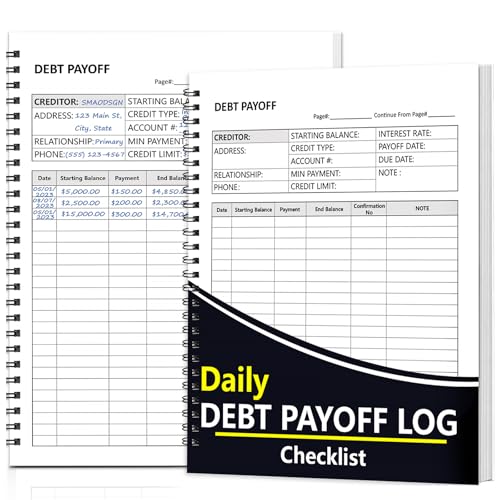
Debt Payoff Planner Spiral Bound Letter Size Debt Payoff Tracker 8.5×11 Inch Bill Payment Tracker Notebook Double Printed Financial Planner Monthly Expense Tracker for Credit Cards Payment 110 Pages
Comprehensive Debt Management Tool:The debt payoff planner log offers a detailed table design to help users manage debt…
As an affiliate, we earn on qualifying purchases.
As an affiliate, we earn on qualifying purchases.
Prioritizing Debt Reduction

If you’re starting late, focusing on reducing your debt should be a top priority. High student debt and a low credit score can hinder your financial progress, so tackling debt early is essential. To maximize your efforts, consider these strategies:
- Prioritize high-interest debt first, like credit card balances, to save on interest.
- Make additional payments on student loans to reduce total repayment time.
- Avoid accumulating new debt to keep your credit score healthy.
- Build an emergency fund to prevent future reliance on credit, ensuring your debt reduction stays on track.
Exploring Investment Opportunities Suitable for Your Age

As a late starter, exploring diversified asset classes can help balance risk and growth. Low-risk investment options, like bonds or savings accounts, offer stability while you build your portfolio. Additionally, retirement-focused funds can keep your long-term goals in focus as you select suitable investments.
Diversified Asset Classes
Have you considered how diversifying your investments across different asset classes can help balance risk and growth? Spreading your money across stocks, bonds, real estate, and alternative investments enhances your asset allocation, making your portfolio more resilient. By choosing a mix tailored to your age and goals, you reduce exposure to any single market downturn. Alternative investments like commodities or hedge funds can add unique growth opportunities. Remember, a well-diversified portfolio aligns with your risk tolerance and time horizon. This approach not only helps protect your savings but also positions you for steady growth. Keep in mind, diversifying across asset classes is a key strategy for late starters looking to maximize their retirement readiness. It’s about smartly managing risk while working toward your goals.
Low-Risk Investment Options
Choosing low-risk investment options can provide stability and peace of mind as you work towards your retirement goals. These options typically prioritize capital preservation and steady growth, helping you manage risk effectively. Certificates of deposit (CDs), government bonds, and high-quality corporate bonds are popular choices, offering predictable returns with minimal volatility. By investing in these, you allow compound interest to work in your favor over time, steadily growing your savings. Risk management is key at this stage, so diversifying across different low-risk assets can further protect your portfolio. Although these investments may not deliver explosive growth, they offer reliable income and reduce exposure to market fluctuations. This approach helps you stay on track without unnecessary stress, aligning your investments with your goal of secure, gradual wealth accumulation.
Retirement-Focused Funds
Are you aware of investment options specifically designed to support your retirement goals at your current age? Retirement-focused funds, like target retirement funds, can simplify your investment strategy. These funds automatically adjust their asset allocation as you get closer to retirement, reducing risk over time. They are ideal for late starters because they tailor investments to your age and timeline. By choosing the right target retirement fund, you ensure your savings grow with a balanced approach. Keep an eye on the fund’s asset allocation, which shifts from growth-oriented to preservation as you approach retirement. This strategy helps maximize growth while managing risk, giving you a clearer path to financial security in your later years.
Maximizing Retirement Accounts and Benefits

Maximizing your retirement accounts and benefits can substantially boost your financial security, even if you’re starting later than ideal. To do this effectively, understand the tax implications of your options. A Roth account allows your investments to grow tax-free, and qualified withdrawals are tax-free too, which can be advantageous if you expect higher taxes in retirement. Traditional accounts, on the other hand, offer immediate tax deductions, reducing your taxable income now, but you’ll pay taxes upon withdrawal. Assess your current tax bracket and future income expectations to choose wisely. Contributing as much as possible to these accounts, especially catch-up contributions if you’re over 50, can help maximize growth. Strategically balancing Roth and Traditional accounts ensures you optimize tax benefits and build a more secure retirement fund.
Protecting Your Assets With Insurance

Ever wondered how to safeguard your hard-earned assets as you prepare for retirement? Insurance plays a crucial role in protecting what you’ve built. Long-term care insurance can cover costly health needs later in life, preventing asset depletion. Life insurance ensures your loved ones are taken care of and can provide funds for estate planning. Disability insurance offers income protection if illness or injury prevents work. Proper estate planning with insurance helps minimize taxes and ensures your wishes are honored.
Consider these key points:
- Long-term care insurance to cover healthcare costs
- Life insurance for estate planning and loved ones’ security
- Disability insurance to protect your income
- Regular review of policies to adapt to changing needs
Taking these steps helps preserve your assets and provides peace of mind as you approach retirement.
Developing a Sustainable Income Strategy for Retirement

Creating a sustainable income stream for retirement requires careful planning and strategic decision-making. You should focus on diversifying income sources, understanding your options, and incorporating estate planning to protect your assets. Improving your financial literacy helps you make informed choices about investments and withdrawals. Consider combining Social Security, pensions, and personal savings to create a reliable income. Here’s a simple overview:
| Income Source | Key Considerations |
|---|---|
| Social Security | Claiming age affects benefits |
| Pensions | Verify payouts and options |
| Investments | Growth potential, risk management |
| Annuities | Guaranteed income, fees |
| Part-time Work | Supplemental income, flexibility |
Balancing these sources ensures you maintain your lifestyle while safeguarding your estate for the future.
Staying Motivated and Tracking Your Progress

Once you’ve established a solid income plan for your retirement, staying motivated becomes key to maintaining your progress. To keep momentum, apply motivational strategies like celebrating small wins and setting clear, achievable goals. Progress visualization is a powerful tool—seeing how your savings grow can inspire you to stay on track. Regularly review your progress, adjusting your plan as needed to stay focused. Keep these tips in mind:
Stay motivated by celebrating wins, visualizing progress, and regularly reviewing your retirement savings plan.
- Break your savings goals into manageable milestones
- Use charts or apps to visualize your progress
- Reward yourself for reaching key achievements
- Stay connected with a support network or financial advisor
Frequently Asked Questions
How Can I Catch up on Retirement Savings After 50?
You can catch up on retirement savings by prioritizing maxing out your contributions, especially if your employer offers a catch-up option. Focus on building an emergency fund first to avoid dipping into retirement savings. Also, consider estate planning to safeguard your assets. Regularly review your plan, cut unnecessary expenses, and seek advice from a financial advisor to optimize your strategy and make the most of your late start.
What Are the Best Investment Options for Late Starters?
You should consider stock diversification to spread risk and maximize growth potential, focusing on a mix of sectors and companies. Real estate investing is also a solid option, providing rental income and appreciation opportunities. These strategies can help you catch up on savings, but remember to assess your risk tolerance and consult with a financial advisor to create a balanced portfolio tailored to your late-starting goals.
How Do Taxes Affect Late-Stage Retirement Planning?
Taxes considerably impact your late-stage retirement planning by affecting your overall savings and withdrawals. You should consider tax implications when choosing investment accounts, like opting for Roth IRAs to enjoy tax-free withdrawals. Utilize deduction strategies such as maximizing catch-up contributions and tax-loss harvesting to reduce taxable income. Being aware of these tactics helps you preserve more of your savings, ensuring a more secure and comfortable retirement despite starting later in life.
Can I Still Qualify for Government Retirement Benefits?
Did you know nearly 10% of people over 60 still qualify for government retirement benefits? You can still qualify for retirement benefits if you meet age and work credit requirements. Your retirement eligibility depends on your work history, and benefit calculation considers your lifetime earnings. Even late starters can access benefits, so check your eligibility and gather your records to guarantee you receive the maximum allowable benefits when you retire.
What Strategies Help Maximize Social Security at My Age?
To maximize your Social Security benefits, consider delaying your claim if possible, which increases your monthly payout. Explore spousal benefits if you’re married, allowing you to receive benefits based on your spouse’s record. Additionally, if you’re a survivor, make sure you understand survivor benefits, so you can claim them when eligible. Coordinating these options helps you get the most from Social Security at your age, boosting your financial security.
Conclusion
Remember, even if you’re starting late, it’s never too like trying to send a telegram in today’s digital age. By evaluating your finances, setting clear goals, and staying disciplined, you can make meaningful progress. Keep your eyes on the prize, cut unnecessary expenses, and explore suitable investment options. Stay motivated, track your progress, and adapt as needed—your future self will thank you for taking action now. It’s your move; don’t let this opportunity pass like a passing train.