
Financial planning books serve different audiences, from those seeking immediate money management tips to investors aiming for sophisticated strategies. The Total Money Makeover by Dave Ramsey provides clear, actionable steps for personal finance beginners aiming to eliminate debt and build savings. In contrast, The Intelligent Investor by Benjamin Graham targets serious investors interested in value investing principles that require deeper knowledge and patience. Choosing between these depends on whether you prioritize practical daily money management or long-term investing philosophy. This comparison clarifies these core differences, helping readers identify which book aligns with their financial goals and experience level.

Get smart everyday buys delivered free with Prime
- Fast, free delivery on millions of items
- Prime Video, Amazon Music and more included
- Member-only deals all year
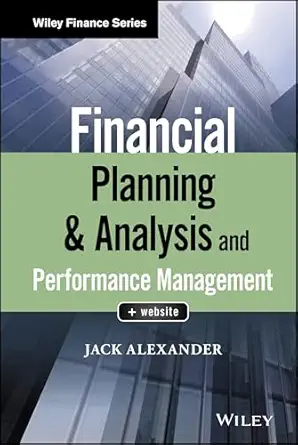
Financial Planning & Analysis and Performance Management
- ✔ Target Audience: Finance professionals, students
- ✔ Content Focus: Analysis techniques, performance management
- ✔ Approach: Technical, strategic

The Simple Path to Wealth: Your Road Map to Financial Independence and a Rich, Free Life
- ✔ Target Audience: Beginners, general public
- ✔ Content Focus: Wealth building, financial independence
- ✔ Approach: Practical, accessible

Fundamentals of Financial Planning – 7th Edition
- ✔ Target Audience: Students, finance professionals
- ✔ Content Focus: Investment, retirement, estate, tax planning
- ✔ Approach: Educational, comprehensive
At a Glance
| Criteria | The Total Money Makeover by Dave Ramsey | The Intelligent Investor by Benjamin Graham | Winner |
|---|---|---|---|
| Target Audience | Beginners, those needing actionable debt management and savings plans | Intermediate to advanced investors, those interested in value investing | B |
| Approach & Content | Step-by-step, motivational, focus on personal finance basics | In-depth, analytical, focus on investment philosophies | A |
| Level of Complexity | Low to moderate complexity, easy to understand | High complexity, requires financial literacy | A |
| Practical Application | Highly practical, immediate application for budgeting, debt payoff | Theoretical, long-term investment strategies, less immediate application | A |
| Investment Philosophy | N/A (personal finance focus) | Value investing, margin of safety, fundamental analysis | B |
| Readability & Style | Conversational, straightforward, engaging | Formal, dense, rich in detailed analysis | A |
| Depth of Financial Concepts | Basic financial concepts, minimal technical details | Advanced financial concepts, valuation techniques, market psychology | B |
| Cost & Accessibility | Affordable, widely available, includes supplementary materials | More expensive, often requires prior knowledge, less accessible for beginners | A |
Financial Planning & Analysis and Performance Management
This book stands out for its comprehensive coverage of financial analysis techniques and performance management strategies. It is ideal for finance professionals aiming to sharpen their strategic decision-making skills. Compared with other books, it dives deeper into technical methods, making it less suitable for beginners or casual readers. However, it lacks a specific edition date and detailed technical examples, which might limit its practical applicability for some users.
Pros:
- In-depth coverage of analysis techniques
- Practical guidance for performance management
- Suitable for finance professionals and students
- Focuses on strategic decision-making
Cons:
- No specific edition or publication date provided
- Lacks detailed technical examples in the description
- Potentially overwhelming for beginners
Best for: Finance professionals and advanced students looking for a detailed technical resource
Not ideal for: Beginners or casual readers seeking simple, straightforward advice
Bottom line: A highly technical resource best suited for finance experts and professionals seeking detailed analysis skills.
“A highly technical resource best suited for finance experts and professionals seeking detailed analysis skills.”
The Simple Path to Wealth: Your Road Map to Financial Independence and a Rich, Free Life
This book offers clear, practical advice on managing money and building wealth, making it an excellent choice for beginners or anyone seeking straightforward strategies. Compared to the more technical books, it emphasizes financial independence and simplifying complex concepts, which may appeal to those new to personal finance. However, it provides limited technical depth and does not cover broader financial planning topics like estate or tax planning, making it less suitable for advanced or professional use.
Pros:
- Accessible for beginners
- Focuses on achieving financial independence
- Practical, straightforward advice
- Encourages long-term wealth growth
Cons:
- No detailed specifications or features
- Limited scope—focused mainly on personal finance
- Lacks technical depth for advanced users
Best for: Beginners or individuals seeking simple, actionable wealth-building advice
Not ideal for: Advanced finance professionals or those needing comprehensive planning strategies
Bottom line: An ideal starter book for those new to personal finance and seeking simple, effective wealth-building strategies.
“An ideal starter book for those new to personal finance and seeking simple, effective wealth-building strategies.”
Fundamentals of Financial Planning – 7th Edition
This textbook provides comprehensive coverage of core financial planning principles including investment, retirement, estate, and tax planning. It is ideal for students and professionals aiming to deepen their understanding of the field. Compared with the other two books, it offers a broader scope and up-to-date strategies, but its lack of customer reviews and detailed specifications makes it less accessible for casual readers or those seeking quick advice. Its academic tone may also be less engaging for practical, real-world application.
Pros:
- Comprehensive coverage of financial planning topics
- Suitable for both students and professionals
- Up-to-date with current strategies
- Deepens understanding of core principles
Cons:
- No detailed specifications provided
- No customer reviews available
- Less practical for immediate application
Best for: Students or professionals looking for an authoritative, in-depth resource
Not ideal for: Beginners or casual readers seeking straightforward guidance
Bottom line: A thorough academic resource ideal for those seeking a detailed, broad understanding of financial planning.
“A thorough academic resource ideal for those seeking a detailed, broad understanding of financial planning.”
As an Amazon Associate we earn from qualifying purchases.
Key Differences
The primary distinction lies in their target audience and purpose. The Total Money Makeover is designed for individuals seeking straightforward guidance on managing day-to-day finances, eliminating debt, and establishing savings. Its language is accessible, and the advice is immediately actionable, making it ideal for beginners or those overwhelmed by financial confusion. Conversely, The Intelligent Investor appeals to readers interested in investing at a more advanced level, emphasizing valuation, market psychology, and long-term wealth accumulation. It assumes a foundational understanding of financial concepts and caters to those willing to study complex principles.
Practically, choosing Ramsey equips readers with easy-to-follow steps to improve their financial health quickly. It’s about changing habits and gaining control. On the other hand, Graham offers a framework for analyzing stocks, understanding market cycles, and building a disciplined investment approach — suitable for long-term wealth strategies but less helpful for immediate money management. The decision hinges on whether the reader’s goals focus on personal finance mastery or investment sophistication.
Detailed Comparison
Target Audience (The Total Money Makeover by Dave Ramsey wins — Major)
The Total Money Makeover targets beginners or those needing a financial reset, emphasizing debt elimination and savings. It’s straightforward, motivational, and accessible. The Intelligent Investor is aimed at investors with at least some familiarity with financial markets, seeking to deepen their understanding of value investing principles. The gap is major, aligning with vastly different user needs.
Approach & Content (The Total Money Makeover by Dave Ramsey wins — Major)
Ramsey’s approach is step-by-step, focusing on budgeting, debt payoff, and financial discipline, with practical templates and motivational tone. Graham’s approach is analytical, emphasizing valuation techniques, margin of safety, and market psychology, with dense theoretical content. The gap is major, affecting how immediately useful each is depending on user goals.
Level of Complexity (The Total Money Makeover by Dave Ramsey wins — Major)
Ramsey offers simple, clear guidance suitable for those with little prior financial knowledge. Graham’s concepts are technical, requiring some financial literacy and patience to master. The gap is significant, influencing who can effectively use each book.
Practical Application (The Total Money Makeover by Dave Ramsey wins — Moderate)
Ramsey provides immediate, tangible steps for budgeting and debt reduction, making it highly practical for everyday money management. Graham’s recommendations are more abstract, centered around investment analysis and long-term strategies, less immediate but valuable for serious investors. The difference is moderate but decisive for practical use cases.
Investment Philosophy (The Intelligent Investor by Benjamin Graham wins — Major)
Graham advocates value investing, focusing on intrinsic stock value and safety margins. Ramsey does not address stock investing philosophies but concentrates on personal finance habits. This criterion favors Graham, as it caters to a different, more advanced audience.
Readability & Style (The Total Money Makeover by Dave Ramsey wins — Major)
Ramsey’s tone is conversational, motivational, accessible for readers of all levels. Graham’s style is formal, dense, and analytical, requiring patience and background knowledge. The gap is major, influencing ease of use.
Depth of Financial Concepts (The Intelligent Investor by Benjamin Graham wins — Major)
Ramsey covers basic financial principles without delving into technical detail. Graham explores complex valuation techniques, financial statements, and market psychology, suited for advanced investors. The difference is significant.
Cost & Accessibility (The Total Money Makeover by Dave Ramsey wins — Moderate)
Ramsey’s books are affordable, widely available, and include supplementary resources like online courses and workshops. Graham’s works are more expensive, less accessible for casual readers, and often require prior knowledge. The gap is moderate to major depending on budget and background.
The Total Money Makeover by Dave Ramsey: Pros and Cons
Pros:
- Clear, actionable advice suitable for beginners
- Motivational tone helps build financial discipline
- Easy to understand with practical templates
- Affordable and widely accessible
Cons:
- Limited depth on investing and advanced financial concepts
- Less suitable for those seeking long-term investment strategies
The Intelligent Investor by Benjamin Graham: Pros and Cons
Pros:
- In-depth analysis of value investing principles
- Strong foundation for long-term wealth building
- Rich in financial theory and detailed techniques
Cons:
- Dense, technical style not suited for beginners
- Less practical for immediate money management
- Higher cost and lower accessibility for casual readers
Who Should Choose What
Choose The Total Money Makeover by Dave Ramsey if:
- You are a beginner or overwhelmed by personal finance
- Your goal is to eliminate debt quickly and establish savings
- You prefer straightforward, motivational guidance
Choose The Intelligent Investor by Benjamin Graham if:
- You have some investment experience
- You want to understand valuation and market psychology deeply
- Your focus is long-term wealth accumulation through investing
Value for Money
For those primarily interested in improving their day-to-day finances, Ramsey offers excellent value with practical guidance at an affordable price. For serious investors or those willing to invest time in learning complex strategies, Graham’s work provides valuable insights worth higher costs. Overall, the choice depends on current knowledge level and financial goals.Final Verdict
If you’re just starting out or need immediate, practical advice to manage your money better, The Total Money Makeover is the better choice due to its accessibility and actionable steps. It’s ideal for building foundational financial habits. However, if you already have a basic understanding of finance and want to develop a disciplined investing approach, The Intelligent Investor offers in-depth principles that can significantly enhance your long-term wealth strategy. Your decision should align with whether your focus is on personal finance or investment mastery.
Frequently Asked Questions
Which book is better for someone with no prior financial knowledge?
The Total Money Makeover is clearly better suited for beginners, offering simple, practical advice without requiring prior financial knowledge.
Can I use both books together?
Yes, combining Ramsey’s practical guidance with Graham’s investment philosophy can provide a comprehensive financial education, covering both money management and investing strategies. However, focus on your primary goal first.
Is Graham’s book too advanced for most readers?
Graham’s The Intelligent Investor is dense and technical, better suited for those with some financial background or willing to invest time in learning complex concepts.
Which book offers better value for the price?
Ramsey’s books are more affordable and accessible, making them a better value for beginners. Graham’s work is more expensive but offers in-depth investment insights for more experienced readers.
Halloween Picks
halloween
As an affiliate, we earn on qualifying purchases.