
For freelancers choosing personal finance software, QuickBooks Online for Beginners is my best overall starting point because it focuses on bookkeeping and tax records, while Bookkeeping Basics for Freelancers compares QuickBooks, Wave, and Excel for readers weighing simpler workflows. Xero Made Simple is another standout for beginners who want a cloud bookkeeping introduction. The main tradeoff is between a guide focused on one platform and a broader introduction that helps you compare approaches; these titles are books and guides, not the software itself. Read on for how each one fits a different freelance finance need and where its limits lie.

Get smart everyday buys delivered free with Prime
- Fast, free delivery on millions of items
- Prime Video, Amazon Music and more included
- Member-only deals all year
Key Takeaways
- QuickBooks Online for Beginners gets the best overall role because its bookkeeping focus aligns with the recurring income, expense, and tax tasks freelancers need to organize.
- Bookkeeping Basics for Freelancers is the clearest comparison-oriented pick, covering QuickBooks, Wave, and Excel instead of committing readers to one platform from the start.
- Xero Made Simple is aimed at beginners who want a guided introduction to cloud bookkeeping, while the Quicken titles focus on personal and business finance workflows.
- Mastering Quicken and Quicken Classic Deluxe serve readers interested in Quicken; the former frames personal and business finance broadly, while the latter is positioned as a step-by-step beginner guide.
- The lineup consists of educational guides rather than working finance software, so readers should check each book’s platform version and coverage before relying on it for current setup steps.
| QuickBooks Online for Beginners 2027: Step-by-Step Guide to AI-Powered Bookkeeping |  | Best for QuickBooks Beginners | Edition: 2027 | Format: Step-by-step guide | Experience level: Beginner | VIEW LATEST PRICE | See Our Full Breakdown |
| Mastering Quicken: A Guide to Personal and Business Finance |  | Best for Combined Personal and Business Finances | Software: Quicken | Coverage: Personal and business finance | Topics: Tracking, budgeting, and wealth management | VIEW LATEST PRICE | See Our Full Breakdown |
| QuickBooks Online Complete Guide | 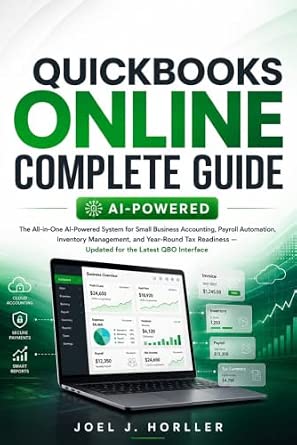 | Best for Broad Small-Business Workflows | Format: Guide | Software: QuickBooks Online | Topics: Small-business accounting, payroll automation, inventory management, and tax readiness | VIEW LATEST PRICE | See Our Full Breakdown |
| Bookkeeping Basics for Freelancers: Simple Ways to Track Income, Expenses & Taxes with QuickBooks, Wave & Excel |  | Best Overall for Freelancer Bookkeeping Basics | Format: Practical guide | Audience: Freelancers | Tools covered: QuickBooks, Wave, and Excel | VIEW LATEST PRICE | See Our Full Breakdown |
| Xero Made Simple: A Beginner’s Guide to Cloud Bookkeeping |  | Best for Xero Beginners | Format: Beginner’s guide | Software: Xero | Bookkeeping type: Cloud bookkeeping | VIEW LATEST PRICE | See Our Full Breakdown |
| Quicken Classic Deluxe: A Beginner’s and Seniors’ Step-by-Step Guide |  | Best for Personal Finance Beginners | Subject: Quicken Classic Deluxe | Guide audience: Beginners and seniors | Topics: Accounts, budgets, bills, expense tracking, reconciliation, reports, savings goals, backups, and money management | VIEW LATEST PRICE | See Our Full Breakdown |
| personal finance software for freelancer | Format | Topics | Software | Experience level |
|---|---|---|---|---|
| QuickBooks Online for Beginner | Step-by-step guide | — | QuickBooks Online | Beginner |
| Mastering Quicken: A Guide to | Guide | Tracking, budgeting, and wealth management | Quicken | Not specified |
| QuickBooks Online Complete Gui | Guide | Small-business accounting, payroll automation, inventory management, and tax readiness | QuickBooks Online | — |
| Bookkeeping Basics for Freelan | Practical guide | Income, expenses, and taxes | — | — |
| Xero Made Simple: A Beginner’s | Beginner’s guide | Bookkeeping, invoicing, and bank reconciliation | Xero | Beginner |
| Quicken Classic Deluxe: A Begi | — | Accounts, budgets, bills, expense tracking, reconciliation, reports, savings goals, backups, and money management | — | — |
More Details on Our Top Picks
QuickBooks Online for Beginners 2027: Step-by-Step Guide to AI-Powered Bookkeeping
This beginner guide is aimed at freelancers who have chosen QuickBooks Online but need help getting started with bookkeeping automation and avoiding common errors. That focus makes it a more approachable entry point than QuickBooks Online Complete Guide, which covers broader small-business topics such as payroll and inventory. Compared with Bookkeeping Basics for Freelancers, it stays with one software platform rather than helping readers compare QuickBooks with Wave and Excel. The tradeoff is that the supplied description does not detail which AI features or workflows the book explains, so readers seeking specific setup instructions may want more detail before choosing it. Its stated beginner level and step-by-step format suit freelancers who want guidance without prior accounting knowledge, while its narrow QuickBooks focus makes it less useful for anyone still choosing a bookkeeping tool.
Pros:- Written for readers with no accounting experience
- Covers bookkeeping automation
- Focuses on avoiding common bookkeeping mistakes
Cons:- The supplied description does not identify the specific AI features or workflows covered
- Focuses on QuickBooks Online rather than comparing multiple software options
Best for: Freelancers who have selected QuickBooks Online and want a beginner-oriented introduction to bookkeeping automation.
Not ideal for: Self-employed workers comparing several bookkeeping tools or seeking detailed coverage of payroll, inventory, and tax workflows.
- Edition:2027
- Format:Step-by-step guide
- Experience level:Beginner
- Software:QuickBooks Online
- Focus:AI-powered bookkeeping
- Coverage:Bookkeeping automation and common mistakes
Our verdict“Choose this guide if you are new to bookkeeping and already plan to use QuickBooks Online.”
Mastering Quicken: A Guide to Personal and Business Finance
Mastering Quicken addresses freelancers who want one guide to tracking and budgeting across both household and business finances. That combined perspective gives it a different role from QuickBooks Online Complete Guide, whose supplied description emphasizes small-business accounting, payroll, inventory, and tax readiness. It also differs from Bookkeeping Basics for Freelancers, which focuses directly on freelancer income, expenses, and taxes across QuickBooks, Wave, and Excel. Quicken’s described attention to wealth management may appeal to self-employed readers who want their broader financial picture in view, but the product details do not specify particular Quicken features or freelancer tax workflows. Choose it for the personal-and-business scope; skip it if your main need is a clearly laid-out, freelancer-specific bookkeeping process.
Pros:- Covers both personal and business finance
- Addresses tracking and budgeting
- Includes wealth management in its stated scope
Cons:- The supplied description does not specify freelancer tax workflows
- No format, experience level, or detailed feature coverage is provided
Best for: Freelancers who want guidance on tracking and budgeting both household and business finances in Quicken.
Not ideal for: Self-employed workers whose main priority is detailed tax workflows or a comparison of freelancer bookkeeping platforms.
- Software:Quicken
- Coverage:Personal and business finance
- Topics:Tracking, budgeting, and wealth management
- Intended use:Managing personal and business finances
- Format:Guide
- Experience level:Not specified
Our verdict“Pick this guide if your freelance finances and household budget need to be considered together.”
QuickBooks Online Complete Guide
QuickBooks Online Complete Guide covers more of the business bookkeeping chain than the beginner-focused QuickBooks Online for Beginners 2027: its stated scope includes accounting, payroll automation, inventory, and year-round tax readiness. For a freelancer who also sells products or runs payroll, that breadth could help connect daily records with broader business tasks. But freelancers who mainly need help recording income, expenses, and taxes may find Bookkeeping Basics for Freelancers more directly tailored, with its coverage of QuickBooks, Wave, and Excel. This guide is described as updated for the latest QuickBooks Online version and AI-powered, though the supplied details do not identify the specific features covered. Its broad small-business focus is useful when needs extend beyond solo freelance bookkeeping, but can be more than a straightforward service freelancer needs.
Pros:- Covers small-business accounting, payroll automation, and inventory
- Includes year-round tax readiness
- Described as updated for the latest QuickBooks Online version
- Identifies AI-powered functionality as a feature
Cons:- Its broad small-business scope may exceed the needs of solo freelancers
- The supplied description does not specify which AI features or workflows receive instruction
Best for: Freelancers with employees or inventory who want a single guide to several QuickBooks Online business workflows.
Not ideal for: Solo service freelancers seeking a simple, tool-neutral guide focused on recording income, expenses, and taxes.
- Format:Guide
- Software:QuickBooks Online
- Topics:Small-business accounting, payroll automation, inventory management, and tax readiness
- Noted feature:AI-powered
- Version coverage:Described as updated for the latest version of QuickBooks Online
- Tax focus:Year-round tax readiness
Our verdict“Choose this guide if your freelance operation includes payroll or inventory alongside bookkeeping.”
Bookkeeping Basics for Freelancers: Simple Ways to Track Income, Expenses & Taxes with QuickBooks, Wave & Excel
Bookkeeping Basics for Freelancers earns the broadest fit for a solo self-employed reader because it starts with the freelancer’s recurring tasks—tracking income, expenses, and taxes—and covers QuickBooks, Wave, and Excel. That makes it more useful for someone choosing a workflow than QuickBooks Online for Beginners 2027, which focuses on learning one platform, or Xero Made Simple, which centers on Xero. The multi-tool approach also gives readers a way to think about simple tracking before committing to a single accounting system. Its limitation is that the guidance is tied to the named tools, and the description flags that software interfaces and tax rules can change. Freelancers who need platform-specific depth or current, jurisdiction-specific tax instructions may need more than this practical overview.
Pros:- Tailored specifically to freelancer finances
- Covers income, expense, and tax tracking
- Includes QuickBooks, Wave, and Excel
- Emphasizes simple, actionable financial tracking
Cons:- Software interfaces and tax rules may change after publication
- Coverage is limited to the tools named in the title
Best for: New and independent freelancers who want practical income, expense, and tax tracking guidance while comparing familiar tools.
Not ideal for: Freelancers who need detailed instruction for a platform outside QuickBooks, Wave, or Excel, or current local tax advice.
- Format:Practical guide
- Audience:Freelancers
- Tools covered:QuickBooks, Wave, and Excel
- Topics:Income, expenses, and taxes
- Approach:Simple, actionable financial tracking
- Stated limitation:Software interfaces and tax laws may change
Our verdict“Start here if you want freelancer-focused bookkeeping basics and have not settled on one tool.”
Xero Made Simple: A Beginner’s Guide to Cloud Bookkeeping
Xero Made Simple is a focused starting point for freelancers who want to learn cloud bookkeeping, invoicing, and bank reconciliation in Xero. Compared with Bookkeeping Basics for Freelancers, it trades cross-tool guidance across QuickBooks, Wave, and Excel for a single-platform introduction. That narrower scope can help readers who have already chosen Xero build a clearer routine for sending invoices and matching bank activity; it offers less help to freelancers still deciding which system fits. The guide is described as beginner-friendly and aimed at small-business owners, freelancers, and self-employed professionals. The supplied details do not mention tax workflows or specific Xero features, so readers who need tax readiness may find QuickBooks Online Complete Guide’s stated coverage more relevant.
Pros:- Covers bookkeeping, invoicing, and bank reconciliation
- Written as a beginner’s guide
- Includes freelancers and self-employed professionals in its intended audience
Cons:- Focuses on Xero rather than comparing multiple software options
- The supplied description does not mention tax workflows
Best for: Freelancers and self-employed beginners who have chosen Xero and need guidance on bookkeeping, invoicing, and bank reconciliation.
Not ideal for: Freelancers comparing accounting platforms or looking for explicit tax-readiness instruction.
- Format:Beginner’s guide
- Software:Xero
- Bookkeeping type:Cloud bookkeeping
- Topics:Bookkeeping, invoicing, and bank reconciliation
- Experience level:Beginner
- Audience:Small-business owners, freelancers, and self-employed professionals
Our verdict“Choose this guide if Xero is your preferred platform and you want a beginner route into routine bookkeeping.”
Quicken Classic Deluxe: A Beginner’s and Seniors’ Step-by-Step Guide
This guide focuses on household money management, walking readers through accounts, budgets, bills, expense tracking, reconciliation, reports, and savings goals. That broad personal-finance scope makes it a gentler starting point than Mastering Quicken: A Guide to Personal and Business Finance, which signals a wider mix of personal and business topics. For a freelancer whose main need is organizing personal accounts and understanding spending, the step-by-step approach may help turn scattered tasks into a repeatable routine. The tradeoff is its personal-finance emphasis: the description does not establish coverage of freelancer-specific bookkeeping, tax workflows, or business reporting. Compared with the QuickBooks and Xero guides in this roundup, it is less clearly aimed at operating a freelance business. Its backup and reconciliation topics add useful money-management groundwork, but readers seeking dedicated business bookkeeping should look elsewhere.
Pros:- Step-by-step guidance is suited to readers new to personal finance software.
- Covers accounts, budgets, bills, and expense tracking in one guide.
- Includes reconciliation and reports for reviewing and checking financial records.
- Addresses savings goals and backups alongside day-to-day money management.
Cons:- The supplied description does not identify freelancer-specific bookkeeping or tax coverage.
- Its personal-finance focus may be less useful for business workflows than the QuickBooks or Xero guides in the roundup.
Best for: New freelancers and older readers who want guided help organizing personal accounts, bills, budgets, and savings goals.
Not ideal for: Freelancers who need dedicated business bookkeeping, tax preparation workflows, or cloud accounting guidance.
- Subject:Quicken Classic Deluxe
- Guide audience:Beginners and seniors
- Topics:Accounts, budgets, bills, expense tracking, reconciliation, reports, savings goals, backups, and money management
- Account management:Covered
- Budgeting and bills:Covered
- Expense tracking and reconciliation:Covered
- Reports and savings goals:Covered
- Backups:Covered
Our verdict“Choose this guide if you are starting with personal money management; pick a QuickBooks or Xero guide if freelance business bookkeeping is your priority.”

How We Picked
I ranked these six guides by how directly their stated focus maps to freelancers’ needs: organizing irregular income, tracking expenses, preparing useful tax records, and choosing a manageable bookkeeping routine. I also weighed how approachable each title appears for a reader learning a system, whether it covers one platform or compares several, and whether its scope is clearly defined. Those factors favor freelancer-specific bookkeeping guidance and practical platform introductions over broader finance coverage.
The ranking reflects the titles and descriptions provided, not hands-on testing of the books or software. QuickBooks Online for Beginners leads for its direct bookkeeping fit; Bookkeeping Basics for Freelancers follows for its multi-tool comparison. Xero and the Quicken guides fill distinct learning needs, with their narrower platform or broader personal-finance focus shaping their positions. Since these are guides, not software subscriptions, readers should verify edition dates, feature coverage, and whether instructions match the software they plan to use.
| personal finance software for freelancer | Format | Experience level | Software | Topics |
|---|---|---|---|---|
| QuickBooks Online for Beginner | Step-by-step guide | Beginner | QuickBooks Online | — |
| Mastering Quicken: A Guide to | Guide | Not specified | Quicken | Tracking, budgeting, and wealth management |
| QuickBooks Online Complete Gui | Guide | — | QuickBooks Online | Small-business accounting, payroll automation, inventory management, and tax readiness |
| Bookkeeping Basics for Freelan | Practical guide | — | — | Income, expenses, and taxes |
| Xero Made Simple: A Beginner’s | Beginner’s guide | Beginner | Xero | Bookkeeping, invoicing, and bank reconciliation |
| Quicken Classic Deluxe: A Begi | — | — | — | Accounts, budgets, bills, expense tracking, reconciliation, reports, savings goals, backups, and money management |
Factors to Consider When Choosing Personal Finance Software For Freelancers
Choosing a guide is only one part of setting up freelance finances. I would first decide what records your business needs and how you want to maintain them, then select a learning resource that matches that workflow.
Separate a learning guide from the software
A book can teach a workflow, but it cannot connect accounts, categorize transactions, or create records for you. Check whether you are buying an instructional guide or access to an actual application before comparing features. A guide may describe menus or tools that have since changed, so confirm its edition and publication details. Use the book to understand the method, then check current vendor documentation for setup steps. This distinction matters most when a title’s name resembles the product it explains. Treat the guide as a learning aid, not a substitute for checking current software capabilities.
Match the bookkeeping depth to your work
A freelancer with a few clients and limited expenses may need a simple way to record income, receipts, and tax-related costs. A business with subcontractors, inventory, or more involved reporting may need a fuller bookkeeping system and professional advice. Avoid choosing a guide solely because it promises a beginner-friendly path; make sure it addresses the records your work actually creates. A narrower title can teach one workflow clearly, while a broader comparison can help you decide which workflow to adopt. List your recurring transactions before choosing, so the guide’s examples have a clear connection to your own work. The more unusual your business activity, the more you may need an accountant’s input alongside any book.
Plan for uneven income and tax set-asides
Freelance income often arrives in bursts, so the useful system is one you can update during busy and quiet periods. Look for guidance that helps you distinguish business income, deductible expenses, and money reserved for tax obligations. Do not assume that tracking transactions alone tells you how much to set aside; tax rules depend on where you operate and your circumstances. A spreadsheet may offer flexibility, but it also depends on careful, consistent entry. Dedicated bookkeeping software can automate some tasks, though setup and review still take time. Choose a routine that you can keep up with when client work takes priority.
Check account connections and data handling
Bank feeds can reduce manual entry, but they are not a guarantee that every transaction will be categorized correctly. Before adopting a connected service, check which financial institutions it supports and what permissions it requests. Consider how you will correct transfers, reimbursements, and mixed personal-business purchases, since these can blur simple categories. If you prefer to avoid linking accounts, a manual workflow may give you more control but require regular attention. Any guide discussing account connections should be paired with current information from the software provider. Your comfort with sharing financial data is part of the tool choice, not an afterthought.
Choose flexibility or a defined workflow
A single-platform guide can shorten the learning curve if you have already picked a tool. A comparison guide is more useful when you are still deciding between cloud software, a personal-finance application, and a spreadsheet. Flexibility can help you avoid adopting unnecessary features, but too many options may delay setting up a reliable routine. Consider whether you need collaboration with an accountant, access across devices, or records you can export. Those needs may matter more than a long feature list. Pick the guide that helps you make the next concrete decision, then revisit the setup as your freelance work changes.
Frequently Asked Questions
Are these titles personal finance software I can install?
No. The six items in this roundup are books or instructional guides about finance and bookkeeping tools, rather than software subscriptions or applications. They can help you learn a workflow or understand a platform, but you would need to obtain the software separately if you want to use it. Check the title and product listing carefully before purchasing, especially where a book name includes a software brand. Also verify that its instructions match the current version you plan to use.
Should I choose a QuickBooks guide or a comparison of QuickBooks, Wave, and Excel?
Choose a QuickBooks-focused guide if you have already decided to learn that platform and want a more direct path through its bookkeeping concepts. The comparison in Bookkeeping Basics for Freelancers makes more sense if you are still weighing a dedicated application against a spreadsheet-based process. Think about how many transactions you handle and whether you need collaboration or automation before deciding. A comparison can clarify the tradeoffs, but it may not teach any one tool as deeply as a focused guide. Confirm that whichever book you choose covers the tasks you need to perform.
Can a spreadsheet be enough for freelance bookkeeping?
It can be enough for some freelancers with a small number of transactions and a disciplined recordkeeping routine. The tradeoff is that spreadsheets rely on accurate manual updates and careful formulas, so missed entries can create gaps. As your client base or expense volume grows, reconciliation and reporting can take more time. Keep source documents and make backups if you choose this route. Consider moving to bookkeeping software when manual upkeep starts competing with paid work or makes tax preparation harder.
Is a Quicken guide a better fit than a bookkeeping guide for my freelance business?
That depends on whether your main goal is to understand personal and business finances together or to build a bookkeeping process for freelance operations. The Quicken titles in this lineup emphasize personal and business finance or a beginner-oriented Quicken Classic Deluxe walkthrough. The QuickBooks, Xero, and freelancer-specific titles point more directly toward bookkeeping instruction. Before choosing, check whether the guide covers the records, reports, and business tasks you need. If your tax or business structure is complex, ask an accountant which records your chosen system should produce.
How do I know whether a guide’s instructions are still current?
Check the edition, publication date, and the software version named in the book’s description. Cloud applications can change their menus and features, so a sound bookkeeping principle may remain useful even when a screen-by-screen instruction has aged. Compare setup steps with the provider’s current help materials before changing your accounts or records. Be especially cautious about tax guidance, which can vary by location and change over time. Use an instructional book to learn concepts, then verify time-sensitive details with current sources.
Conclusion
For the best overall learning guide, I recommend QuickBooks Online for Beginners because its bookkeeping focus maps closely to common freelance recordkeeping. Choose Bookkeeping Basics for Freelancers for the best value in decision support if you want to compare QuickBooks, Wave, and Excel before settling on a workflow. For beginners drawn to cloud bookkeeping, Xero Made Simple offers a focused starting point. Readers seeking broader personal and business finance guidance can look to Mastering Quicken, while those who want a Quicken Classic Deluxe walkthrough may prefer the dedicated beginner guide. These are guides, not the software itself, so confirm the edition and match its lessons to the application and records your freelance business needs.