
TL;DR

Get smart everyday buys delivered free with Prime
- Fast, free delivery on millions of items
- Prime Video, Amazon Music and more included
- Member-only deals all year
Argentina has approved Glencore’s proposed $4 billion MARA copper project for benefits under its RIGI investment incentive program. The approval offers qualifying tax, customs and foreign-exchange terms, but it is not a final construction decision; environmental and technical work remains.
Argentina has approved Glencore’s proposed $4 billion Agua Rica copper project for incentives under its Incentive Regime for Large Investments, clearing a financing and regulatory hurdle for the planned MARA mine in Catamarca province. The approval offers qualifying projects long-term tax, customs and foreign-exchange stability, but does not amount to a final decision to build, according to The Northern Miner’s report.
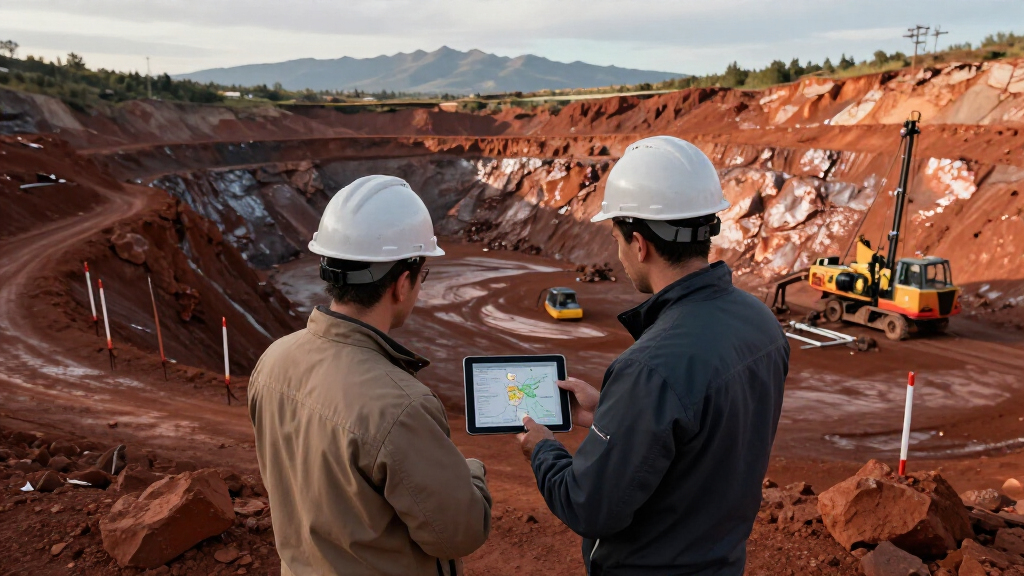
The project, formally known as Minera Agua Rica-Alumbrera, or MARA, is designed to mine the Agua Rica deposit and use the existing processing plant and related facilities at the former Alumbrera operation, about 35 kilometres away. Glencore applied for RIGI benefits in August 2025. The company’s plan centres on an open-pit mine at Agua Rica, with ore transported to Alumbrera rather than processed at a newly built complex.
Glencore says MARA could produce about 200,000 tonnes of copper concentrate a year during its first 10 years of operation and has an estimated mine life of 23 years. The company reported an estimated 1.2 billion measured and indicated tonnes at Agua Rica, grading 0.47% copper, 0.20 gram gold per tonne, 3.40 grams silver per tonne and 0.03% molybdenum. It did not disclose contained metal figures.
The RIGI decision comes as Glencore advances the restart of Alumbrera. The company said first production there is now expected in the second half of 2027, about six months earlier than its previous target. Glencore says the restart can help prepare workers and facilities that would also support MARA. The company reported that close to 2,000 people are working at the operation.
RIGI Benefits and Project Economics
RIGI approval matters because it gives Glencore access to Argentina’s investment incentives for a project requiring billions of dollars in capital. For qualifying investments, the scheme offers a reduced corporate income tax rate of 25%, compared with the standard 35%, duty-free imports of capital equipment and export-duty exemptions after three years. The precise application of those provisions to MARA was not detailed in the report.
The development plan also seeks to reuse Alumbrera’s processing plant and supporting infrastructure. That approach is intended to reduce construction costs and make use of existing facilities, while limiting the need for a new processing complex. The approval may strengthen the project’s investment case, but it does not by itself settle whether Glencore will proceed with construction or when a mine could begin operating.
For Argentina, the decision is another step in efforts to attract large mining investments and develop its copper industry. The project could add to the country’s prospective supply of copper, gold, silver and molybdenum. Those outcomes remain dependent on further project approvals, development work and a construction decision.
As an affiliate, we earn on qualifying purchases.
MARA Combines Two Mine Assets
The MARA project brings together the Agua Rica deposit and Alumbrera’s mine infrastructure. The deposits and facilities were combined in 2020. Alumbrera, an established copper-gold operation, stopped production in 2018 after its mineral reserves were depleted. Glencore says restarting it will help prepare the processing plant, workforce, transport and other facilities intended to serve both operations.
Glencore gained full control of MARA in 2023, when it acquired Pan American Silver’s 56.3% stake for $475 million in cash. Pan American also received a 0.75% copper net smelter return royalty, according to the report. The project had previously included Yamana Gold, Glencore and Newmont.
Argentina introduced RIGI in 2024 to attract investments of at least $200 million in strategic sectors including mining, energy and infrastructure. Glencore has also applied for RIGI benefits for El Pachón, its copper project in San Juan province, where it has outlined a potential first-phase investment of about $9.5 billion. No approval for that application was reported here.
As an affiliate, we earn on qualifying purchases.
Construction Still Awaits Key Steps
RIGI approval is not a final construction approval, and Glencore has not announced a final investment decision in the material provided. The company must continue technical, environmental and development work before construction can proceed. MARA submitted an environmental impact report for the exploitation phase to Catamarca’s mining ministry last month, but the report does not say whether it has been approved or when a decision is expected.
The schedule and final cost of construction, a start date for MARA, and the project’s financing arrangements were not specified. Glencore’s production estimate and resource figures are company-reported projections and estimates; they do not establish actual future output. It is also unclear how the RIGI terms will be applied to the project in detail.
As an affiliate, we earn on qualifying purchases.
Environmental Review and Alumbrera Restart
The next reported regulatory step for MARA is the review of its exploitation-phase environmental impact report by Catamarca’s mining ministry. Glencore will also need to advance the project’s technical and development work before construction can proceed. The source material does not provide a timetable for those steps or a date for a construction decision.
In parallel, Glencore is working toward restarting Alumbrera, with first production now expected in the second half of 2027, according to the company. Progress on that restart will help show how the existing plant and shared infrastructure are being prepared, but it does not by itself confirm when or whether the larger MARA project will be built.
As an affiliate, we earn on qualifying purchases.
Key Questions
What did Argentina approve?
Argentina approved Glencore’s proposed Agua Rica-Alumbrera project, known as MARA, for benefits under the Incentive Regime for Large Investments. The project is estimated to require $4 billion in investment.
Does RIGI approval mean construction will begin?
No. The approval provides access to investment incentives but is not a final construction decision. Glencore still has technical, environmental and development work to advance.
What is MARA expected to produce?
Glencore says the project is expected to produce about 200,000 tonnes of copper concentrate annually during its first 10 years. It is also designed to produce gold, silver and molybdenum. These are company projections, not actual production figures.
How will MARA use the Alumbrera mine?
The plan is to mine the Agua Rica deposit and transport ore to the existing Alumbrera processing plant, about 35 kilometres away. Glencore says reusing facilities can reduce construction costs and make use of existing infrastructure.
When is Alumbrera expected to restart?
Glencore said first production from the Alumbrera restart is expected in the second half of 2027, about six months earlier than its previous target. That schedule is separate from a construction timeline for MARA.
Source: rss
Fall Picks
fall essentials
As an affiliate, we earn on qualifying purchases.