

As you explore the future of wealth management, you'll notice AI is set to play a pivotal role. It's not just about efficiency; it's about redefining how you interact with clients and personalize their experiences. With AI automating routine tasks and leveraging advanced analytics, the landscape is shifting. But what does this transformation mean for your strategies and client relationships? The answers may surprise you.

As the wealth management market rapidly evolves, you can't ignore the transformative impact of artificial intelligence (AI) on the industry. The market is projected to grow from $2.5 billion in 2022 to an impressive $14.1 billion by 2032, with a staggering compound annual growth rate (CAGR) of 24%. Alongside this growth, AI adoption is accelerating, expected to soar with a CAGR of 35.6% from 2021 to 2025. By 2027, AI-powered systems are likely to manage around $6 trillion in assets, fundamentally shifting how wealth managers operate.
The integration of AI is already proving beneficial, leading to a 20% reduction in costs and a remarkable 50% increase in productivity for wealth managers. You'll find that 62% of wealth managers are actively using AI in their services, with 44% having extensively integrated it into their operations. The remaining majority are in various stages of adoption.
AI automates essential tasks like client onboarding and compliance checks, freeing up valuable time for advisors to focus on what they do best: building relationships with clients. AI-powered solutions have significantly improved client interactions, with 70% of firms reporting positive impacts. Natural Language Processing (NLP) is a key component helping enhance communication and support in these interactions.
In terms of personalization, AI takes client engagement to another level. By utilizing predictive analytics, AI delivers hyper-personalized experiences that cater to clients' unique goals and risk appetites. You'll appreciate how AI-enhanced financial planning tools offer tailored advice, while sentiment analysis helps inform investment decisions based on market trends. Notably, the wealth management industry is expected to see a substantial growth in AUM as AI solutions continue to evolve.
Furthermore, AI automates client reports, providing timely and personalized updates, and conversational AI assistants enhance communication by delivering instant responses to client inquiries.
Operational efficiency is another area where AI shines. By automating routine tasks, you can focus more on human interactions that truly matter. AI optimizes portfolio management and rebalancing, paving the way for enhanced operational performance.
The potential of generative AI is also on the horizon, promising to drive top-line growth and streamline client servicing functions.
As AI continues to integrate with technologies like cloud-based applications, it's reshaping the wealth management value chain. The future of wealth management is undoubtedly intertwined with AI, and staying ahead of this evolution will be crucial for your success in the industry.
Embrace this change; the benefits of AI are too significant to overlook.
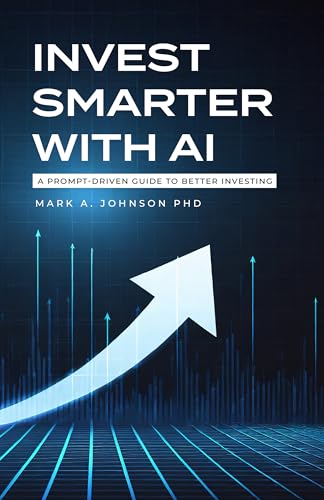
Invest Smarter with AI: A Practical Guide to Long-Term Investing, Financial Planning, and Building Wealth
As an affiliate, we earn on qualifying purchases.
As an affiliate, we earn on qualifying purchases.

AI Accounting Firm Workflow System: Copy-Paste Prompts, Templates, and AI Workflows to Streamline Onboarding, Client Communication, SOPs, Reporting, and … (AI Systems for Accountants Book 2)
As an affiliate, we earn on qualifying purchases.
As an affiliate, we earn on qualifying purchases.
wealth management CRM with AI integration
As an affiliate, we earn on qualifying purchases.
As an affiliate, we earn on qualifying purchases.

Data Mining and Predictive Analytics (Wiley Series on Methods and Applications in Data Mining)
As an affiliate, we earn on qualifying purchases.
As an affiliate, we earn on qualifying purchases.