Decentralized staking gives you more control over your assets and potentially higher returns, but it requires active management and careful security efforts. Centralized staking offers greater stability, easier access to liquidity, and less personal oversight, reducing your management burden. Both options carry risks, such as security breaches or platform failures. To make the best choice for your retirement, consider your risk tolerance and goals—more details can help you decide which path suits you best.
Key Takeaways
- Decentralized staking offers higher potential returns but requires active management and secure private key handling.
- Centralized staking provides more stability and easier access to liquidity, suitable for risk-averse retirees.
- Security risks are higher with decentralized staking due to potential private key vulnerabilities.
- Centralized platforms implement security measures like cold storage and audits, reducing but not eliminating risks.
- Choice depends on individual risk tolerance, management effort willingness, and need for liquidity in retirement planning.

Are you wondering whether decentralized or centralized staking is the better option for generating retirement income? Both methods offer unique advantages and potential risks, so understanding their differences is essential for making an informed decision. With decentralized staking, you retain more control over your assets, which can be appealing if you value autonomy and transparency. However, this approach requires you to actively manage your tokens, guaranteeing token liquidity remains high so you can withdraw or reinvest efficiently. Token liquidity is crucial because it directly impacts your ability to access your funds when needed, especially during market downturns or urgent circumstances. On the other hand, centralized staking involves handing over your assets to a trusted platform or service provider. This often offers convenience and ease of use, especially if you’re new to staking, but it does come with concerns about security protocols. You need to trust that the platform has robust security measures in place to protect your assets from hacks or fraud. Centralized platforms typically implement security protocols like multi-factor authentication, cold storage, and regular security audits, which can provide peace of mind. Still, no system is entirely foolproof, and breaches do happen, making it imperative to choose reputable providers with proven security track records. Additionally, token liquidity plays a significant role in ensuring you can access your funds quickly, which is vital for managing financial stability in retirement. Decentralized staking appeals to those who want to avoid third-party risks, but it also demands a deeper understanding of blockchain technology and the ability to manage your private keys securely. If security protocols are lax or improperly managed, your assets could be vulnerable. Moreover, staying informed about security measures and potential vulnerabilities is essential to safeguarding your investments. Conversely, centralized providers often handle security protocols for you, reducing your exposure to certain risks but increasing dependence on their integrity and stability. When considering retirement income, you should evaluate how each approach aligns with your risk tolerance and financial goals. Decentralized staking could offer higher potential returns, but it might also involve more volatility and responsibility. Centralized staking, while potentially less lucrative, can provide more stability and consistent payouts, especially if you choose platforms with strong security protocols and high token liquidity. Additionally, understanding the environmental impact of tissue paper can be important if you prioritize eco-friendly practices in all aspects of your financial and lifestyle choices. Ultimately, your choice depends on your comfort level with managing security, your need for liquidity, and your long-term financial strategy. Whichever route you pick, guarantee it aligns with your retirement plans and that you stay informed about the security measures and liquidity factors involved.

TANGEM Crypto Wallet Pack of 2 – Trusted Cold Storage Hardware Wallet
- Proven Security: Over 9 years of secure card issuance
- Military-Grade Encryption: EAL6+ security keeps private keys safe
- Easy Wallet Management: Tap once to access 90 blockchains
As an affiliate, we earn on qualifying purchases.
As an affiliate, we earn on qualifying purchases.
Frequently Asked Questions
How Do Staking Rewards Impact Long-Term Retirement Planning?
Staking rewards can considerably impact your long-term retirement planning by providing a source of compound interest, which grows your assets over time. They also act as an inflation hedge, helping your savings maintain value as prices rise. By reinvesting rewards regularly, you maximize growth potential, making your retirement funds more resilient against economic fluctuations. This strategy can enhance your financial security and guarantee a more comfortable retirement.
What Are the Tax Implications of Decentralized Staking?
A wise man once said, “Know what you owe before you grow.” When it comes to decentralized staking, you’re responsible for tax reporting on your rewards, which are typically considered taxable income. You must also stay on top of regulatory compliance, as rules vary by jurisdiction. Keep detailed records of your staking activities, and consult a tax professional to make certain you meet all tax obligations and avoid surprises.
Can Beginners Safely Participate in Decentralized Staking?
Yes, beginners can safely participate in decentralized staking if they choose a reputable staking platform with a user-friendly experience. Look for platforms that offer clear instructions, strong security measures, and transparent processes. Starting with small amounts helps you learn the process without risking too much. Educate yourself about the risks, stay updated on security best practices, and gradually increase your stake as you gain confidence in your understanding.
How Do Security Risks Differ Between Centralized and Decentralized Staking?
While some worry about regulatory uncertainties, decentralized staking faces unique security risks like smart contract vulnerabilities, which hackers can exploit. Centralized staking, on the other hand, often has more robust security measures but can be a target for large-scale hacks or institutional failures. You should consider that decentralized platforms require you to manage your keys carefully, whereas centralized providers typically handle security, but at the risk of provider insolvency.
What Are the Best Strategies for Diversifying Staking Investments?
To diversify your staking investments effectively, focus on spreading your tokens across multiple platforms to enhance token liquidity and reduce risk. Carefully select validators based on their reliability, security measures, and performance history. By doing so, you minimize potential losses from validator failures or security breaches. Diversifying across different staking pools and validator types also helps balance your portfolio, ensuring more stable and resilient retirement income streams.

TANGEM Crypto Wallet Pack of 3 – Trusted Cold Storage Hardware Wallet
- Proven Security: 9+ years, military-grade EAL6+ security
- Easy Blockchain Access: Manage 90 blockchains with one tap
- Wide Cryptocurrency Support: Access 14,100+ coins, tokens, NFTs
As an affiliate, we earn on qualifying purchases.
As an affiliate, we earn on qualifying purchases.
Conclusion
Choosing between decentralized and centralized staking depends on your comfort with risk and control. Decentralized options give you more independence, but come with higher volatility. Centralized staking offers convenience and stability, though you might sacrifice some control. Ultimately, it’s about finding the right fit for your retirement goals. Remember, it’s not just about putting all your eggs in one basket — diversification and understanding your options are key to a secure financial future.
As an affiliate, we earn on qualifying purchases.
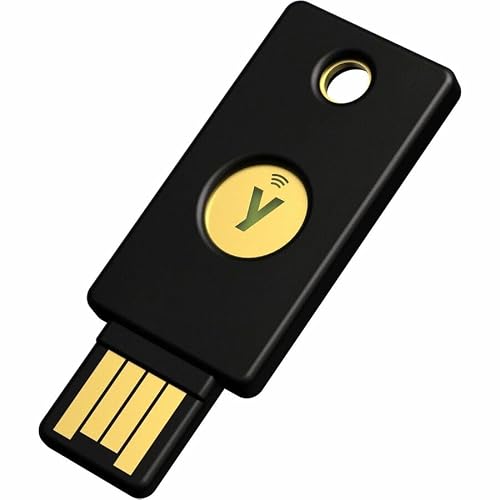
Yubico – Security Key NFC – Basic Compatibility – Multi-factor authentication (MFA) Security Key, Connect via USB-A or NFC, FIDO Certified
- Security for Digital Accounts: Protects against phishing attacks
- Compatible with 1000+ Accounts: Works with Google, Microsoft, Apple
- Easy Login Method: USB-A plug-in or NFC tap
As an affiliate, we earn on qualifying purchases.
As an affiliate, we earn on qualifying purchases.